Aluminum vs. PVC Router-Cut Letters for San Jose Storefronts
Choosing between aluminum and PVC for router-cut dimensional letters? This guide explains durability, weather exposure, mounting surfaces, cost, and installation planning for San Jose and South Bay business signage.
Key takeaways
- Aluminum is the stronger long-term choice for permanent exterior letters on San Jose storefronts, office parks, and building facades.
- PVC (expanded foam board like Sintra) costs less upfront, weighs less, and works well for protected exteriors, temporary signs, and interior-adjacent applications.
- Both materials router-cut cleanly, but sun exposure, wall surface, mounting hardware, and landlord requirements can matter as much as the material itself.
- South Bay signs should be planned around heat, winter rain, dust, and occasional bay moisture, especially in exposed retail corridors.
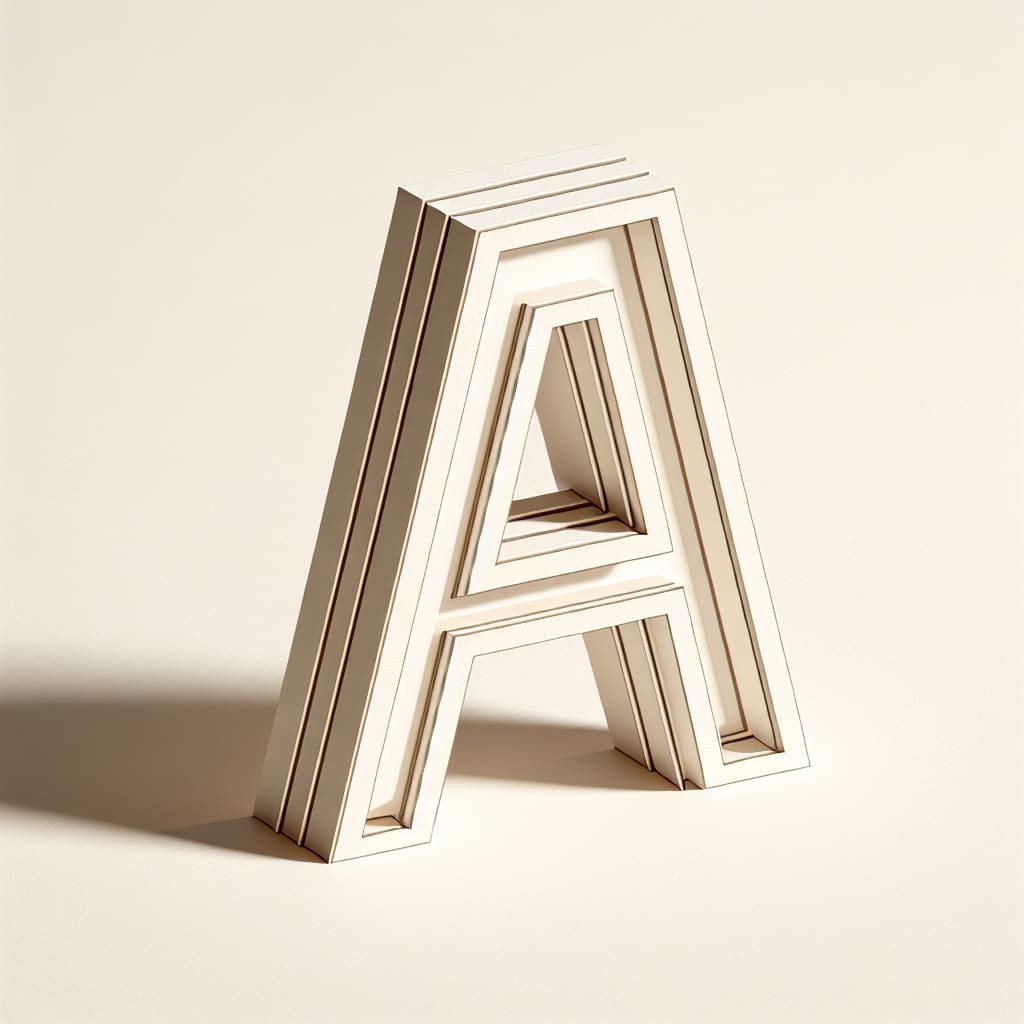
Choosing the right material for router-cut dimensional letters affects how your sign looks on day one and how well it holds up after years on a storefront, office building, or suite entry. In San Jose and the surrounding South Bay, signs deal with direct sun, winter rain, dust, changing temperatures, and, in some areas, moisture moving in from the bay.
The two most common choices—aluminum and expanded PVC (often called Sintra)—can both produce clean, dimensional lettering. The better choice depends on exposure, mounting surface, budget, expected lifespan, and whether the sign needs to satisfy landlord or property-manager guidelines in places like San Jose, Santa Clara, Sunnyvale, Mountain View, Cupertino, Milpitas, Fremont, or Palo Alto.
Why is aluminum so common for exterior dimensional letters?
Aluminum has earned its place as a premium material for outdoor signage because it is rigid, rust-resistant, and compatible with durable finishes. According to Metalphoto of Cincinnati, aluminum sign blanks resist fading, cracking, and warping while standing up to rain, sunlight, and temperature changes without losing structural integrity.
For San Jose business signs, aluminum is often the practical choice when the letters are permanent, exposed, or mounted high on a building face. It is especially useful for retail centers, medical offices, restaurants, auto shops, tech campuses, and industrial suites where the sign needs to look crisp through multiple seasons instead of just one lease campaign.
Aluminum advantages for San Jose and South Bay signs
- Natural corrosion resistance: No rust, even when winter rain and morning moisture are part of the exposure
- Longer outdoor lifespan: Often appropriate for multi-year storefront and building identification signs
- Dimensional stability: Holds its shape through South Bay heat, cool nights, and seasonal temperature swings
- Strong mounting options: Works well with studs, spacers, and other mechanical attachment methods
- Premium finish range: Can be painted, brushed, anodized, or powder-coated for a more finished architectural look
When does PVC make sense for router-cut letters?
Expanded PVC board—commonly known by the brand name Sintra—is a lighter, more affordable alternative to aluminum. Signs.com explains that PVC provides sturdiness without the weight of metal, which makes it easier to handle, transport, and install.
PVC makes sense when the sign is protected, temporary, interior-adjacent, or budget-sensitive. It can be a good fit for lobby letters, suite signs, pop-up retail graphics, event signage, menu-area branding, or tenant panels under an awning. For a large sign facing full afternoon sun on a San Jose or Sunnyvale storefront, aluminum usually provides a more durable path.
PVC advantages for cost-conscious projects
- Lower material cost: Helpful for larger letter sets, short-term campaigns, or signs that may change soon
- Lightweight construction: Easier to position on drywall, panels, and protected storefront faces
- Flexible fabrication: Router-cuts cleanly and can be drilled or adjusted more easily than metal
- Good protected performance: Handles normal humidity and occasional moisture when finished correctly
- Versatile finish options: Accepts paint, vinyl, and direct digital printing
How do local conditions affect each material?
San Jose is not a coastal fog corridor in the same way as some bayside districts, but local signs still face real exposure. A storefront on a wide commercial road can take strong afternoon sun. A shaded retail center in Santa Clara or Cupertino may stay damp longer after rain. Industrial parks in Milpitas and Fremont often have metal panels, concrete, or textured walls that influence how letters should be mounted.
Aluminum performance by condition
- Direct sun: Excellent when paired with a durable paint, powder coat, or brushed finish
- Winter rain: Excellent with proper mounting and drainage behind the letters
- Bay moisture and humidity: Excellent—aluminum does not absorb water or swell
- Temperature changes: Good—maintains dimensional stability better than many plastics
PVC performance by condition
- Direct sun: Fair to good, depending on thickness, finish, color, and amount of shade
- Winter rain: Good for protected locations when edges and finishes are handled properly
- Humidity: Good—closed-cell structure helps limit water absorption
- Temperature changes: Fair—heat can contribute to movement or warping in exposed applications
How should cost and long-term value be weighed?
Aluminum usually costs more upfront than PVC for comparable letter sizes. That higher price reflects the material, finishing process, hardware, and installation planning. For a permanent exterior sign, the longer replacement cycle can make aluminum the better value over time.
Consider the full cost picture:
- Aluminum: Higher initial investment, stronger mounting options, lower replacement risk for exposed signs
- PVC: Lower initial cost, faster production in many cases, better suited to protected or temporary applications
For temporary signage, event graphics, or protected interior-adjacent locations, PVC can be the smart choice. For storefront identification, building signage, and signs that need to satisfy a property manager's finish expectations, aluminum is usually easier to justify.
Why mounting surface can change the decision
The wall matters. A clean interior lobby wall, a stucco storefront, a corrugated metal panel, a glass-adjacent entry, and a concrete tilt-up building all call for different mounting decisions. Material choice should be made alongside the installation plan, not after the letters have already been fabricated.
Aluminum installation
- Often uses studs, spacers, patterns, or flush-mount methods for accurate placement
- May require professional installation for larger letters or elevated building faces
- Provides stronger mechanical attachment for permanent exterior signs
- Can be offset from the wall for a clean dimensional "floating" effect
PVC installation
- Lighter weight can simplify installation for small letters and protected signs
- Can use adhesive, screws, or through-mount methods depending on surface and exposure
- More forgiving during positioning and adjustment
- Easier to modify, replace, or relocate when business branding changes
What about maintenance and environmental impact?
Maintenance is usually simple for both materials: occasional cleaning with a non-abrasive method, checking for loose hardware, and watching for finish wear. The difference is how forgiving each material is after years of exposure.
Aluminum is recyclable and can be recycled repeatedly without losing quality. Because it tends to last longer outdoors, it can reduce replacement frequency for permanent signs.
PVC is lighter, which can reduce transport and installation effort, and it performs well when used in the right setting. Recycling options are more limited than metal recycling, so PVC is best specified where its lower cost and lighter weight clearly fit the project.
Choosing the right material for your San Jose business sign
The right answer is usually clear once the sign location and lifespan are understood. Before choosing aluminum or PVC, look at the actual wall, sun exposure, tenant criteria, viewing distance, and how long the letters need to stay in service.
- Exposure: Full sun, rain, and open building faces favor aluminum
- Budget: PVC can make sense for protected signs, short-term needs, or interior-adjacent displays
- Lifespan: Permanent storefront and building letters benefit from aluminum's durability
- Installation constraints: Access, wall material, landlord rules, and hardware choices can shift the recommendation
- Appearance: Both materials accept clean finishes, but aluminum offers more architectural finish options
Need help deciding which material fits your project in San Jose, Palo Alto, Santa Clara, Sunnyvale, Mountain View, Cupertino, Milpitas, or Fremont? Start your custom sign project and get practical guidance on material selection, finish options, mounting details, and installation planning for your location.