
Quick answer

Direct answer: Feather banners are best used as visual markers: name the business, flag an entrance, identify a booth, or repeat one simple message along an approach. Because the fabric is tall and narrow, concise artwork and a location-specific hardware plan are more useful than squeezing a full advertisement into the flag.

Key takeaways

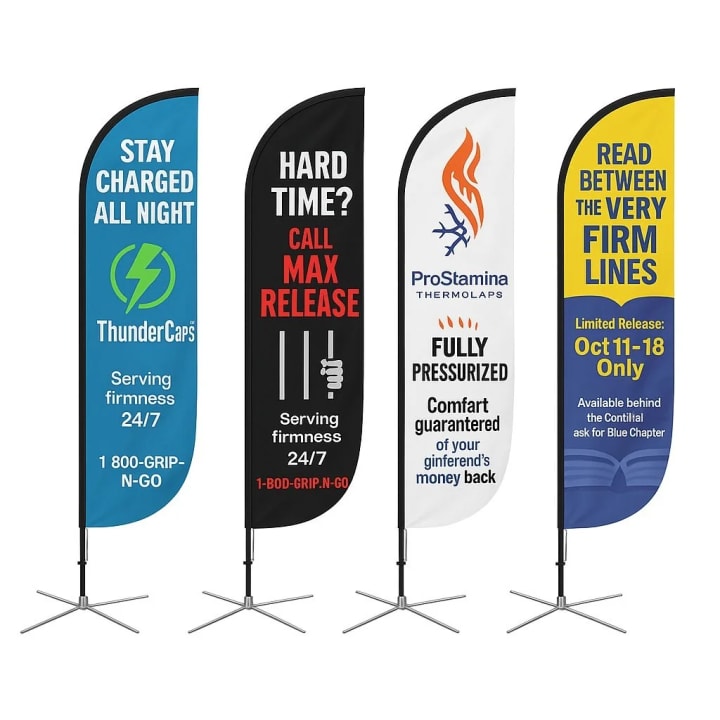
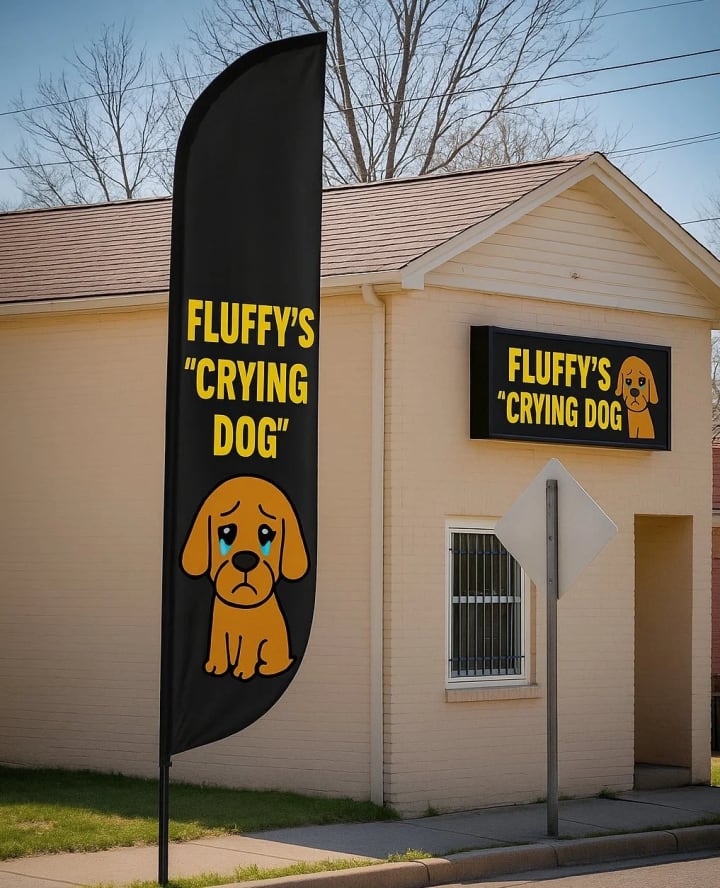
  • Design for the silhouette: one logo and a few readable words usually make better use of the narrow field.
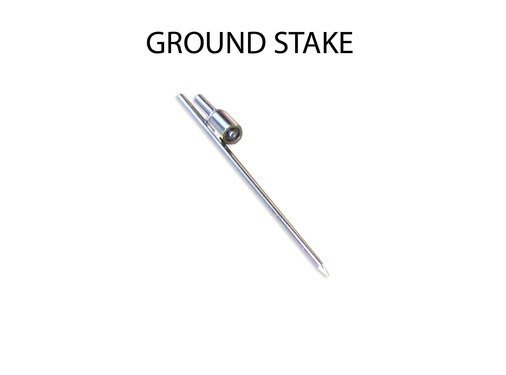
  • The ground surface determines whether a stake, weighted base, or another approved support should be evaluated.
  • Venue permission, pedestrian clearance, overhead clearance, and changing conditions remain part of placement planning.

Specs & options

Specs

Graphic field
Tall, narrow layout with safe areas based on the selected flag shape
Message load
Logo, short phrase, arrow, or another single-purpose composition
Orientation
Viewing direction and reverse-side expectations documented at proof stage
Hardware
Pole, base, and flag components identified in the written specification
Placement review
Surface, clearance, access, venue rules, exposure, and display schedule

Options

  • One branded flag for an entrance or booth
  • A sequence using the same artwork at repeated intervals
  • A message series that changes from flag to flag
  • Base selection for a compatible hard surface or approved soft ground
  • Replacement graphic planning when an existing hardware system can be identified and verified

Need help preparing files? See Artwork Setup.

Good fit for

  • Marking the correct entrance at a storefront with several doors
  • Giving a trade-show or community booth a taller visual anchor
  • Repeating one campaign phrase across a coordinated row of flags
  • Directing visitors between parking, check-in, and an event entrance
  • Adding a portable brand marker to a temporary retail setup

How it works

  1. 1) Show us the location

    Send wide and close photos, surface details, available footprint, ceiling or overhead clearance, venue notes, and the intended display schedule.

  2. 2) Reduce the message

    Choose the one idea each flag must carry. We arrange the logo, copy, and direction for the selected shape instead of shrinking a horizontal ad.

  3. 3) Pair graphic and hardware

    The proof and quote identify flag orientation, quantity, pole components, base approach, and any site-specific limitations.

  4. 4) Review setup and care

    Before handoff, confirm who will assemble, place, monitor, remove, store, or reinstall the display and follow the specified hardware guidance.

FAQ

Which feather banner base should I use?

Start with the display surface and venue rules. Photos of concrete, interior flooring, grass, compacted soil, or another condition help determine which base approach can be included in the quote.

Can the message appear on both viewing directions?

The flag construction and reverse-side appearance need to be selected together. Tell us which directions matter and whether matching color and readability on each face are required before the specification is prepared.

How much text fits on a feather banner?

Use fewer words than you would on a wall sign or horizontal banner. A business name, short offer, simple direction, or category label is easier to recognize on a moving vertical graphic.

Are feather banners suitable indoors?

They can be considered for an indoor event or lobby when the footprint, ceiling clearance, base, traffic route, and venue policy support the display. Include those conditions with the request.

Can I order a new flag for hardware I already own?

Existing poles are not interchangeable by default. Send manufacturer information, measurements, connector photos, and the current flag so compatibility can be checked before a replacement graphic is quoted.

What happens when the weather changes?

Use and removal decisions should follow the quoted hardware and material guidance as well as current site conditions. The customer or event operator remains responsible for monitoring a temporary display while it is in use.

File planning

Build the artwork to the confirmed flag template. Our artwork setup guide explains vector files, final dimensions, color, and outlined fonts.