
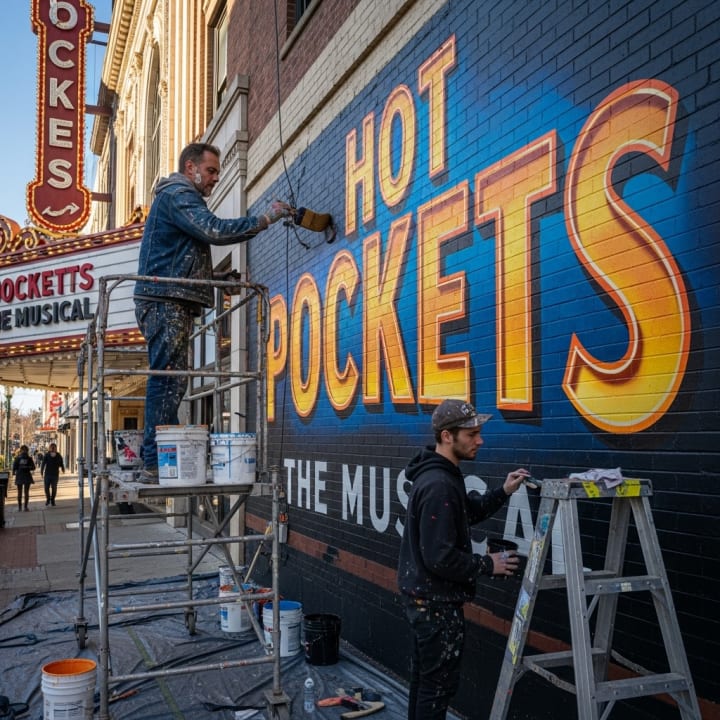
Quick answer

Direct answer: A hand-painted sign uses laid-out artwork and brush-applied color to place lettering or imagery directly on a wall, window, panel, or other approved surface. It is best treated as a site-specific project: photos, dimensions, surface condition, access, and the desired visual character all affect the scope.

Key takeaways

  • A strong painted sign still begins with measured spacing and a readable layout.
  • Existing paint, texture, repairs, moisture, and access may change the preparation plan.
  • When direct painting is impractical, a separately painted panel may preserve the hand-made direction.

Specs & options

Specs

Artwork
Lettering, logo, illustration, or border prepared as an approved placement layout
Surface
Wall, window, panel, or other substrate accepted after condition and coating review
Color references
Brand guide, Pantone direction, swatch, or approved visual target supplied for planning
Preparation
Cleaning, masking, priming, repair, or base coating determined by the actual surface and scope
Access
Floor protection, work height, occupancy, staging, and site restrictions reviewed before scheduling
Finish and care
Project-specific recommendations documented for the chosen paint, surface, exposure, and use

Options

  • Keep natural brush character visible, or develop a tighter edge treatment for a more graphic result.
  • Paint on the building surface when the condition and site rules allow it.
  • Use a removable panel when portability, lease terms, or substrate risk favors a separate sign.
  • Build a limited palette around existing architecture, or translate supplied brand colors into the setting.
  • Coordinate painted work with nearby dimensional letters, panels, windows, or wayfinding.

Need help preparing files? See Artwork Setup.

Good fit for

  • Storefront names and simple window messages with visible hand-worked character
  • Restaurant, cafe, studio, and shop walls that call for a site-specific graphic
  • Interior brand moments where paint can integrate with the room rather than sit above it
  • Portable painted panels for locations where the wall itself should remain untouched

How it works

  1. 1) Read the surface

    Send close and wide photos, dimensions, substrate details, access notes, the project address, and any restrictions from the property.

  2. 2) Compose for the space

    We develop or review the layout at scale, checking letter weight, contrast, margins, color direction, and how the architecture frames it.

  3. 3) Approve the painting scope

    The proof and quote identify artwork, placement, preparation assumptions, access responsibilities, and the planned finish.

  4. 4) Schedule around the site

    Work timing is confirmed only after approvals, surface readiness, weather where relevant, occupancy, and staging requirements are understood.

FAQ

Can you paint on a textured wall?

Possibly. Texture affects edge character, coverage, layout transfer, and labor. Clear photos and a site review help determine whether direct painting, added preparation, or a painted panel is the better route.

Does hand-painted always mean vintage-looking?

No. Brushwork can support spare modern lettering, bold graphics, illustration, or a traditional sign-painting direction. The approved layout and edge treatment establish the character.

How close can painted color match my brand guide?

Send the brand specifications and explain which colors are critical. Base color, sheen, texture, lighting, and the selected paint system can all change perception, so any proof or sample process is defined for the project.

How long will exterior painted work last?

There is no responsible single lifespan without the paint specification, substrate, preparation, orientation, weather exposure, cleaning, and maintenance plan. We can discuss the intended conditions and document the proposed approach in the quote.

What makes a wall ready for quoting?

Useful information includes straight-on and context photos, approximate width and height, wall material, existing coating condition, work height, nearby obstacles, occupancy limits, desired date, and artwork or message.