Quick answer

Direct answer: Dibond is commonly used as a name for a type of aluminum-composite sign panel. It can be considered for printed graphics, directories, identification, and display panels, but the correct build depends on size, support, exposure, finish, and mounting. Check the quote for the exact panel proposed.

Key takeaways

  • Use the written specification—not the page name—to verify the quoted panel and finish.
  • Large faces need a plan for seams, framing, flatness, and installation access.
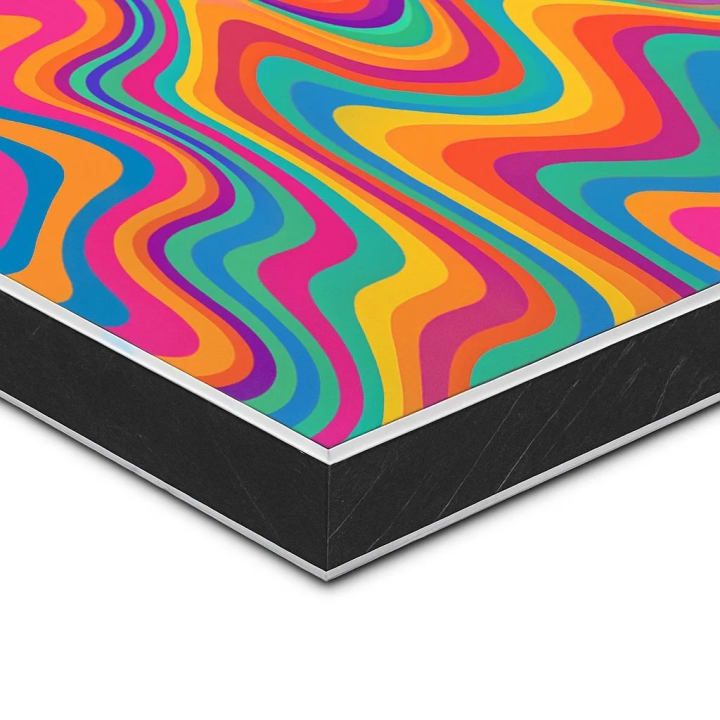
  • A panel edge may remain visible, so edge appearance belongs in the design conversation.

Specs & options

Specs

Panel identity
Exact brand, construction, thickness, and face finish stated in the project quote
Finished size
Custom dimensions evaluated against sheet format, support, transport, and access
Graphics
Print, applied vinyl, laminate, or other treatment chosen for the approved use
Edges
Square, rounded, or contour-cut profile subject to artwork and fabrication review
Support
Frame, wall, rails, standoffs, or fasteners coordinated with panel size and site
Exposure
Indoor, protected, or exterior conditions documented before material selection

Options

  • Compare ACM with solid aluminum, PVC, or acrylic when weight, depth, edge character, or transparency changes the decision.
  • Divide oversized artwork into intentional panels instead of treating a seam as a surprise.
  • Prepare holes or mounting points from field measurements and approved hardware details.
  • Use a custom perimeter where a logo shape benefits from more than a rectangular background.
  • Set up independent artwork for each face when both sides remain visible.

Need help preparing files? See Artwork Setup.

Good fit for

  • Wall-mounted directories and maps with a defined rectangular field
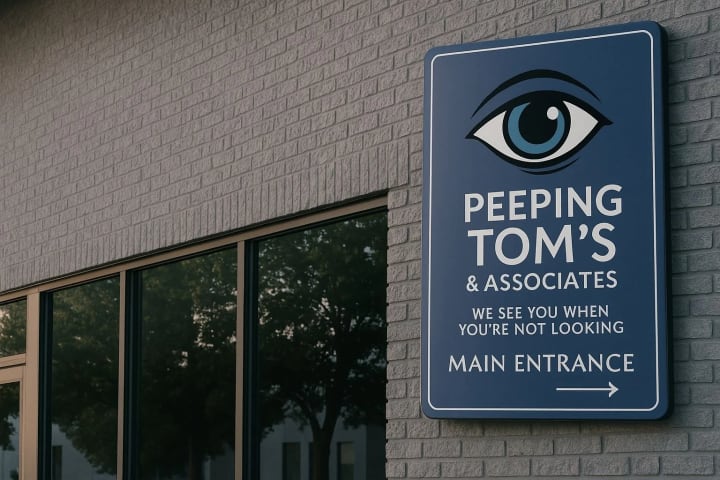
  • Storefront and building identification panels sized to the available architecture
  • Interior feature graphics that need a rigid, unframed presentation
  • Site, parking, and directional messages supplied with approved wording

How it works

  1. 1) Frame the decision

    Share the sign purpose, dimensions, viewing distance, exposure, project address, and photos that show the entire mounting area.

  2. 2) Compare the build

    We consider panel type, edge appearance, graphic treatment, support, seams, and installation needs against the project priorities.

  3. 3) Lock the panel layout

    Review the proof for finished size, content, cut profile, panel breaks, holes, and the specification written into the quote.

  4. 4) Complete the agreed scope

    Production and any arranged site work follow the approved details, with timing and handoff recorded in writing.

FAQ

Will the quote always specify Dibond brand material?

Do not assume that from the page title. Dibond is also used conversationally for the broader ACM category. The written quote should name the exact panel, thickness, face, graphics, and finish proposed.

When should I compare ACM with solid aluminum?

Compare them when panel weight, edge appearance, rigidity, mounting, finish, exposure, or existing hardware affects the choice. We can review those conditions from dimensions and site photos.

Can a large design be divided into several panels?

Yes, where fabrication and installation review support it. Panel breaks should follow the artwork or architecture, and the proof should show how the sections align.

Can you install an ACM panel at my business?

Installation can be quoted within the published service area after wall construction, sign size, height, access, hardware, and known approval requirements are reviewed.

Who confirms rules for parking or safety wording?

The customer, property owner, or qualified authority must verify any required content, size, visibility, and placement. San Jo Sign Co can produce from approved copy but does not promise regulatory compliance through a product selection.