Quick answer

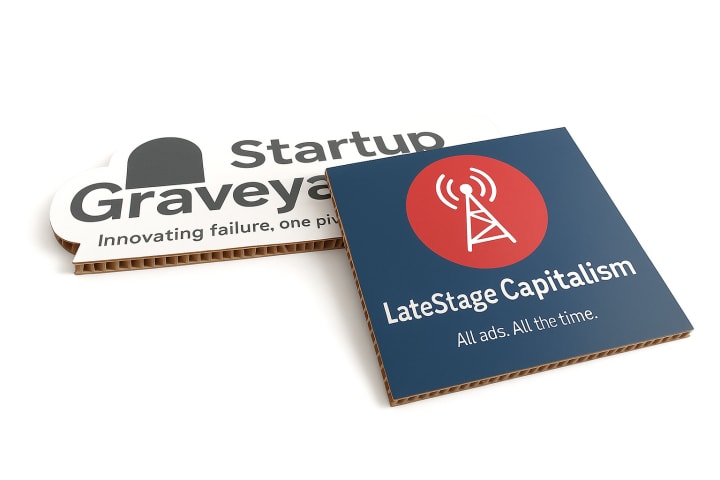
Direct answer: Falconboard is a trade name associated with cellular paper-based display panels. It may suit interior graphics, cutouts, and temporary displays when weight and handling matter. Because products and grades vary, confirm the exact board, thickness, print treatment, and limitations stated in the project quote.

Key takeaways

  • Show how the panel will be supported; an unsupported sheet is not a finished display plan.
  • Treat exposed edges as a visible design detail, especially on shaped pieces.
  • Do not assume recyclability, recycled content, moisture resistance, or fire performance without the quoted product documentation.

Specs & options

Specs

Board
Exact Falconboard product or alternative cellular display panel identified in the quote
Thickness and size
Chosen from the approved display geometry, support points, access, and handling needs
Graphics
Printed face and any protective treatment specified for the intended viewing and contact conditions
Edges
Natural, covered, framed, or incorporated into a custom profile as the scope allows
Display method
Wall, hanging, easel, base, or fabricated support reviewed as a complete assembly
Environment
Location conditions documented; suitability depends on the exact board and manufacturer guidance

Options

  • Print one face or develop coordinated graphics for both visible sides.
  • Use a shaped outline when it improves the campaign silhouette or removes unused background.
  • Design a foot, easel, frame, suspension point, or other support around the panel scale.
  • Plan replaceable graphic panels for campaigns that keep the same display structure.
  • Ask for a different substrate when moisture, heavy contact, outdoors, or load-bearing use creates a poor fit.

Need help preparing files? See Artwork Setup.

Good fit for

  • Suspended interior campaign graphics with an engineered hanging plan
  • Retail feature panels and shaped product cutouts for a defined promotion
  • Event backdrops or presentation elements that must be moved between sessions
  • Workplace displays where panels will be stored and brought out again

How it works

  1. 1) Describe the display job

    Tell us where it will be seen, how long it is intended to stay up, who handles it, and whether it must travel or store flat.

  2. 2) Engineer the presentation

    We review panel dimensions, artwork, edge visibility, support, contact points, environmental conditions, and alternate substrates.

  3. 3) Preflight every component

    Approve the graphics, cut path, printed faces, board specification, and assembly or hanging responsibilities shown in the scope.

  4. 4) Arrange a safe handoff

    Packaging, timing, local handoff, and any placement assistance are confirmed for the accepted project rather than assumed.

FAQ

Is every Falconboard product made the same way?

No assumption should be made from the name alone. Ask for the manufacturer and product specification in the quote if core construction, liners, recycled content, certification, or another attribute matters to your project.

Can this board be used outdoors?

Do not plan outdoor use until the exact material documentation and conditions have been reviewed. Moisture, wind, heat, support, and public contact can make a paper-based display panel the wrong choice.

Can a Falconboard panel stand by itself?

A freestanding display needs an appropriate base, feet, frame, folds, or other engineered support. Share the height, width, traffic conditions, and expected handling so the complete assembly can be evaluated.

Can the display be reused?

Reuse depends on the approved construction, edge treatment, transport, handling, storage position, humidity, and accumulated wear. Tell us about the full event schedule rather than planning around a promised service period.

When is another substrate a better choice?

Consider an alternative when the display will be outside, repeatedly touched, exposed to moisture, required to carry weight, or installed where material certification matters. We can compare the project conditions before quoting.