Quick answer

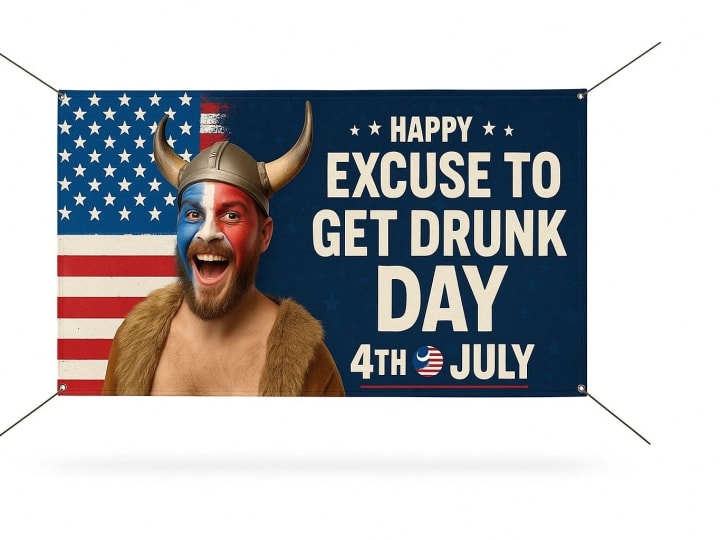
Direct answer: A custom 4th of July banner can mark an event, identify a participating business, recognize sponsors, or frame a seasonal promotion. The right format depends on where it will stand or hang, how people approach it, the rules of the venue, and whether the design should remain useful in a future year.

Key takeaways

  • Decide early whether the year and event date belong in the artwork or on a separate changeable sign.
  • Public-event organizers and property owners may control banner size, wording, placement, and attachment methods.
  • A coordinated sponsor list needs a final approval owner so last-minute logo swaps do not derail the proof.

Specs & options

Specs

Event context
Venue, audience path, display duration, and organizer requirements
Artwork versions
Final sponsor, date, location, and department variations listed together
Display format
Hanging, fence-mounted, freestanding, or carried format selected for the use
Color direction
Holiday palette, existing brand colors, or a deliberate combination
Approval owner
One contact designated to consolidate copy and logo feedback

Options

  • Evergreen artwork without a printed year
  • Event-specific art with date, time, and location
  • A family of sizes built from one approved visual system
  • Sponsor or partner versions organized from a supplied logo list
  • A freestanding display when the venue does not allow wall or fence attachment

Need help preparing files? See Artwork Setup.

Good fit for

  • A local business joining a July Fourth street event or sidewalk promotion
  • A parade group identifying its organization, theme, or presenting sponsors
  • A booth or check-in point that must be found within a busy event footprint
  • A community gathering that needs a photo background or welcome message
  • A storefront planning a seasonal display that still fits its established brand

How it works

  1. 1) Establish the event rules

    Collect the event date, organizer guidance, available footprint, expected viewing direction, and any limits on mounting or carried signs.

  2. 2) Lock the content list

    Deliver final wording, brand assets, sponsor files, and a note identifying which elements change between versions.

  3. 3) Approve the display system

    Review the proof alongside the proposed dimensions, construction, finishing, hardware, and local installation needs.

  4. 4) Plan the handoff

    The project scope records the approved art, quantity, destination, and target event date before production is released.

FAQ

Should the banner include the year?

Include the year when it prevents event confusion. Leave it out when the same graphic may be considered for another celebration; dates and changing details can also move to a separate companion sign.

Can several sponsor logos fit on one banner?

Yes, if the supplied files and available space support a readable arrangement. Send a complete sponsor list and identify required order, minimum prominence, and the person authorized to approve the final lockup.

How early should I start a holiday banner project?

Begin once the venue, message, and approval contacts are known. Material, quantity, art readiness, hardware, installation, and the production schedule all affect the date San Jo Sign Co can confirm.

Can you match an existing event campaign?

Provide the campaign guide, logos, color references, prior artwork, and required wording. We can review those materials and define any adaptation or file-preparation work in the project scope.

Who approves banner placement at a public event?

The customer or event organizer is responsible for confirming current venue, property, and jurisdiction requirements. San Jo Sign Co can use the approved placement information to plan dimensions and attachment details.

Project geography

San Jo Sign Co serves San Jose and the locations listed in our navigation. Installation availability is determined from the actual site and event scope.

See the artwork setup guide before collecting partner logos.