
Best Paints for Metal Signs in San Jose and Bay Area Coastal Conditions: Epoxy, Polyurethane & Acrylic Compared
Bay Area metal signs deal with more than rain. Salt air, marine layer, sun, traffic grime, and irrigation overspray can all shorten the life of a finish. Here is how epoxy, polyurethane, and acrylic coatings compare for San Jose-area signage.
Key takeaways
- Epoxy coatings offer the strongest corrosion resistance for metal signs exposed to salt air, fog, and moisture.
- Polyurethane is a strong finish coat for San Jose storefront signs because it holds color and gloss well in direct sun.
- Surface prep, primer selection, and drainage details often matter as much as the paint itself.
- Acrylic paints can work for lower-exposure signs, but Bay Area exterior signs may need more frequent inspections and touch-ups.
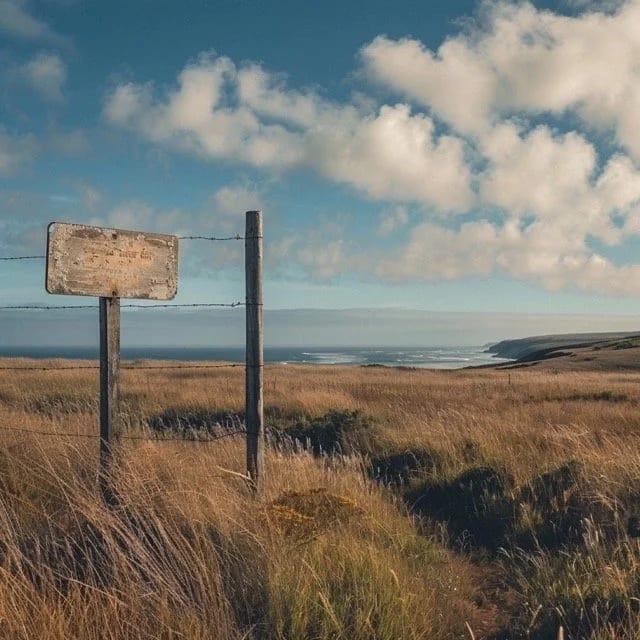
Metal signs in the South Bay do not sit directly on the beach, but they still live in a tough environment. San Jose, Santa Clara, Sunnyvale, Mountain View, Palo Alto, Cupertino, Milpitas, and Fremont all see some mix of Bay Area marine layer, winter moisture, hot sun, roadway dust, irrigation overspray, and daily handling around busy storefronts and commercial buildings.
The right coating helps a metal sign stay clean, legible, and professional longer. This guide compares epoxy, polyurethane, and acrylic paint systems for exterior metal signage so you can match the finish to the location, exposure level, budget, and maintenance plan.
Why Bay Area Conditions Are Hard on Metal Signs
Moisture and salt speed up corrosion. Salt particles and damp air can settle on exposed metal. Once moisture sits on the surface, it can work through scratches, cut edges, fastener holes, and poorly sealed seams. The result is usually not dramatic overnight failure. It starts as bubbling paint, chalky edges, staining around hardware, or small rust spots that spread.
San Jose-area signs also deal with conditions that are easy to overlook:
- Marine layer and damp mornings: Fog and overnight moisture can keep panels damp, especially on north-facing walls and shaded storefronts
- Strong UV exposure: South- and west-facing signs on corridors like Stevens Creek Boulevard, El Camino Real, and North First Street can see heavy sun and heat cycling
- Roadway grime: Traffic dust and pollution can cling to textured finishes and speed up staining if signs are not cleaned periodically
- Irrigation overspray: Landscape sprinklers can leave mineral deposits and keep lower monument signs wet longer than expected
Comparing Paint Types for Coastal Metal Signs
There is no single best paint for every metal sign. A wall sign above a covered walkway in downtown San Jose has different needs than a freestanding monument sign near landscaping in Santa Clara or an exterior panel on a windy, exposed building in Fremont. The goal is to choose a coating system that matches the exposure.
Epoxy Coatings: Maximum Corrosion Protection
What it is: A two-part coating that chemically cures into a dense protective barrier. Marine industry professionals often use epoxy coatings when metal surfaces need serious corrosion resistance in harsh environments.
Why it works for Bay Area signs:
- Excellent adhesion when the aluminum, steel, or other metal is properly cleaned and profiled
- Strong barrier protection against moisture, salt residue, and corrosion at cut edges
- Good resistance to abrasion on signs that may be touched, cleaned, or bumped
- Useful as a primer layer under a more UV-stable finish coat
Practical considerations:
- Two-part mixing requires careful measurement and timing
- Best handled in controlled shop conditions or by experienced installers with the right equipment
- Higher material and labor cost than single-component paints
- Limited UV resistance by itself, so it is often paired with a polyurethane topcoat outdoors
Epoxy is a strong corrosion barrier, but it should not be treated as the whole exterior finish. For a sign in direct sun, an epoxy primer with a UV-resistant polyurethane topcoat is usually the more complete system.
Polyurethane Coatings: UV Resistance and Durability
What it is: A single- or two-component finish coat known for color retention, gloss control, and flexibility. According to Performance Painting's analysis, polyurethane is commonly used as a topcoat where metal needs protection from weather and sunlight.
Why it works for San Jose storefront signs:
- Strong UV resistance helps preserve brand colors on sun-facing elevations
- Good resistance to salt residue, cleaning products, and everyday grime
- Flexibility helps the coating handle temperature-driven expansion and contraction
- Available in gloss, satin, and matte finishes for different brand and landlord preferences
Practical considerations:
- Easier to apply than epoxy, though spray application usually gives the cleanest commercial finish
- Often used as a topcoat over epoxy primer for maximum protection
- Typically a good value when sun exposure and appearance are the main concerns
Polyurethane is often the practical finish coat for exterior business signs: it protects color, handles sun exposure, and can be specified in a sheen that fits the building and brand.
Acrylic Paints: Ease of Use and Eco-Friendliness
What it is: Water-based coatings that dry as water evaporates. Acrylic paints are easier to work with than many solvent-based systems and often have lower odor, which can matter during touch-ups near active businesses.
Why it works for some commercial signs:
- Easy application for small repairs and lower-risk surfaces
- Good UV resistance when formulated for exterior use
- Lower odor than many solvent-based options
- Quick drying time between coats
Practical considerations:
- Less durable than epoxy or polyurethane for high-exposure exterior signs
- May need more frequent touch-ups on sun-baked or moisture-prone elevations
- Best for protected wall signs, interior-facing metal elements, or signs with easy maintenance access
Acrylic can be a sensible choice for protected storefront signs in places like Cupertino, Mountain View, or Palo Alto. For exposed exterior metal, especially near constant moisture, epoxy and polyurethane systems usually provide a longer service life.
Surface Preparation: The Foundation of Any Coating System
Prep is where many sign finishes succeed or fail. Even a premium coating will not last if it is applied over dust, oil, oxidation, old loose paint, or salt residue. For exterior aluminum signs, steel brackets, cabinet faces, and metal monument panels, the process should be deliberate.
- Clean thoroughly: Remove dirt, grease, adhesive residue, salt deposits, and traffic grime. A degreaser followed by a freshwater rinse works for light contamination.
- Remove corrosion and failing paint: Sand, wire brush, or chemically treat rust and oxidation until the surface is stable.
- Create a surface profile: Light sanding gives primer something to grip and reduces the risk of peeling.
- Prime exposed metal: Use a primer compatible with the metal and finish coat. Edges, holes, seams, and fastener points deserve extra attention.
- Apply finish coats correctly: Multiple thin coats usually outperform one heavy coat. Respect drying windows, temperature limits, and manufacturer instructions.
For professional results, coating decisions should be coordinated with fabrication and sign installation. A paint system that looks good on day one can still fail early if water pools behind the panel, dissimilar metals are left unisolated, or fasteners break the coating without being sealed.
Do Substrate and Mounting Details Change the Paint Choice?
Yes. Paint is only one part of exterior sign durability. A flat metal panel, routed dimensional letters, a cabinet face, and a monument sign all expose edges and hardware differently. The same coating may perform well on one sign type and poorly on another if the mounting details trap moisture.
For San Jose retail centers, office parks, restaurants, medical offices, schools, and industrial buildings, it is worth asking these questions before choosing a finish:
- Will sprinklers hit the sign? Mineral deposits and repeated wetting can be harder on lower signs than ordinary rain.
- Is the sign easy to clean? A smooth satin finish is often easier to maintain than a deeply textured surface near traffic.
- Are there landlord finish standards? Shopping centers and multi-tenant buildings may prefer specific sheens, colors, or materials.
- Will the sign need future updates? Tenant panels, suite signs, and directional signs should be finished in a way that allows practical repair or replacement.
Maintenance Tips for Long-Lasting Coastal Signs
Even well-coated signs need periodic attention. A simple maintenance rhythm can help exterior signage look better between major refreshes:
- Rinse when needed: Freshwater rinses remove salt residue, dust, and sprinkler minerals before they sit on the coating for months.
- Inspect vulnerable spots: Look at lower edges, corners, seams, fastener holes, and areas where people may bump or clean the sign.
- Touch up small damage promptly: A chip is easier to fix before moisture gets under the coating and lifts a larger area.
- Keep records: Save the paint system, color references, and finish sheen so future repairs match the original work.
For businesses with multiple locations across San Jose, Santa Clara, Sunnyvale, Mountain View, and Fremont, keeping a simple maintenance log can also make reorders and refreshes more consistent.
Which Coating System Should You Choose?
The right answer depends on exposure, budget, desired finish, and how easy the sign will be to access for future maintenance:
| Environment | Recommended System | Why |
|---|---|---|
| High moisture, salt air, or exposed Bay Area exterior | Epoxy primer + polyurethane topcoat | Strong corrosion protection plus UV resistance |
| Sun-facing storefront or building sign | Polyurethane finish over compatible primer | Good color retention, clean appearance, and durability |
| Protected wall sign or covered tenant sign | Exterior-grade acrylic or polyurethane | Balanced cost and maintenance for lower exposure |
| Interior-facing or easily serviced metal sign | Acrylic with rust-inhibiting primer | Cost-effective and practical for touch-ups |
Planning Metal Signs in San Jose or the South Bay?
Choosing the right coating system helps your sign hold up through Bay Area sun, moisture, cleaning, and daily storefront wear. It also makes future maintenance easier because the primer, finish coat, hardware, and mounting details are planned together.
Need help selecting materials or planning an installation? Start a project with San Jo Sign Co for custom fabricated signs and project-specific installation in San Jose and the listed Silicon Valley service areas.