CO2 Laser Etching for Metal Sign Details in San Jose
Laser marking on metal is often associated with fiber lasers, but specialty coatings can make CO2 laser etching useful for certain sign details. For San Jose storefronts, offices, and facilities, that can mean durable labels, branded plates, and clean metal accents without overcomplicating the production process.
Key takeaways
- CO2 lasers can mark certain metals when a compatible coating bonds under the beam.
- The practical workflow is clean, coat, dry, laser, then remove residue to reveal the mark.
- For local sign work, the best results come from matching the coating, substrate, finish, and installation environment.
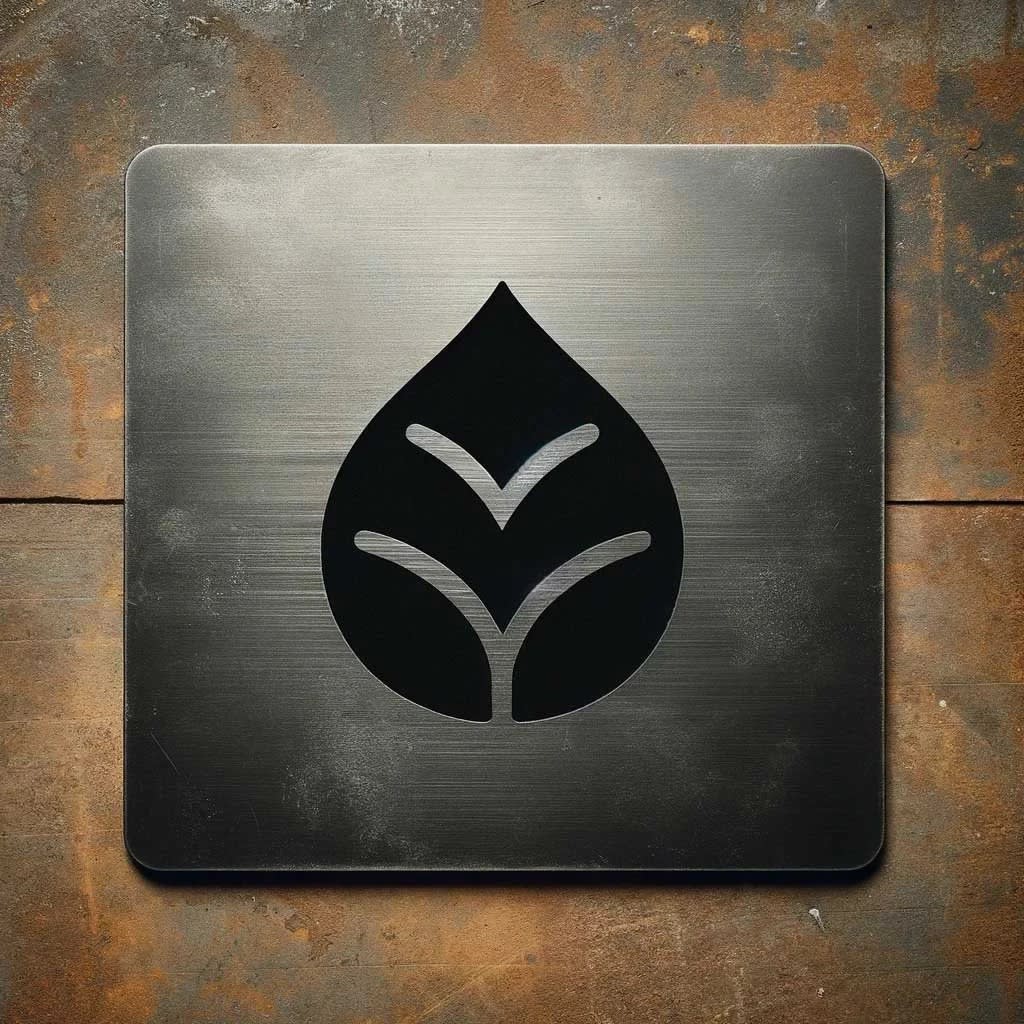
Metal marking has traditionally been the territory of fiber lasers, which interact directly with metal surfaces to create crisp text, logos, and patterns. A CO2 laser works differently, but with the right marking spray or coating, it can still create durable marks on certain metals.
For San Jose businesses, that opens up practical options beyond a standard printed sticker or surface-applied vinyl: branded metal plates, equipment labels, small wayfinding details, donor plaques, product tags, and decorative accents that feel integrated with the sign itself.
What makes CO2 laser metal marking possible?
A CO2 laser usually does not react with bare metal the way it reacts with wood, acrylic, leather, or other non-metal materials. The coating is what changes the job. It creates a layer that can bond to the metal when the laser passes over it.
Once the coating dries, the laser follows the artwork and fuses the mark to the surface. After cleanup, the result is a high-contrast impression that can work well for logos, serial information, directional labels, room markers, and small-format sign components.
How the process works
The basic workflow is simple, but the details matter. The metal needs to be cleaned so oils, dust, and shop residue do not interfere with the coating. Then the marking spray or coating is applied in an even layer and allowed to dry fully before the laser run begins.
After the file is etched, the remaining residue is removed to reveal the finished mark. Testing is important, especially when the piece will be installed outdoors, handled often, or paired with other sign materials like acrylic, aluminum composite, painted panels, or vinyl graphics.
Why it matters for local sign work
A shop that already uses CO2 equipment may be able to add certain metal-marking applications without moving every job to a separate process. That can be useful for storefronts, offices, restaurants, medical suites, schools, and light industrial spaces across San Jose, Santa Clara, Sunnyvale, Mountain View, Cupertino, Milpitas, Fremont, and Palo Alto.
The best use cases are usually details: a clean metal logo plate on a reception wall, numbered tags for a property team, small directional markers, branded hardware, or accent pieces that support a larger sign package. It is not the right answer for every exterior sign, but it can be a strong fit when durability, legibility, and a refined finish matter.
Material, placement, and installation considerations
Metal type, finish, coating compatibility, artwork size, and final placement all affect the outcome. A plate mounted inside a lobby has different demands than a tag near a service door, a label exposed to sun and moisture, or a sign component installed on a busy commercial corridor like Stevens Creek Boulevard, The Alameda, First Street, or El Camino Real.
Landlord guidelines, mounting surfaces, sightlines, and maintenance should also be considered early. In many Bay Area tenant spaces, the cleanest result comes from coordinating the etched metal detail with the full sign system rather than treating it as a last-minute add-on.
Where CO2 laser etching fits
As coatings and workflows improve, CO2-based metal marking can become a practical option for small-batch customization, branded details, and durable identification pieces. It gives sign makers another way to produce sharp, permanent-looking marks while still using familiar equipment and production habits.
For businesses planning signage in San Jose or nearby South Bay cities, the main question is not whether every sign should be laser etched. It is where a precise metal detail can make the overall sign package clearer, more durable, and better matched to the space.