
Matte vs. Gloss Sign Finishes for San Jose Businesses
Choosing between matte and gloss affects readability, glare, cleaning, and how your sign looks in real South Bay conditions. Here's how to pick the right finish for storefronts, offices, vehicles, and window graphics.
Key takeaways
- Matte finishes reduce glare and hide fingerprints, which helps with indoor signage, wayfinding, menus, and text-heavy graphics.
- Gloss finishes make color feel brighter and more polished, which can help storefront signs, vehicle graphics, and promotional displays stand out.
- The right finish depends on the site: direct sun, glass reflections, high-touch areas, cleaning frequency, and viewing distance all matter.
- Matte and gloss can be combined on one sign to create contrast, highlight a logo, or give a lobby sign a more custom finish.
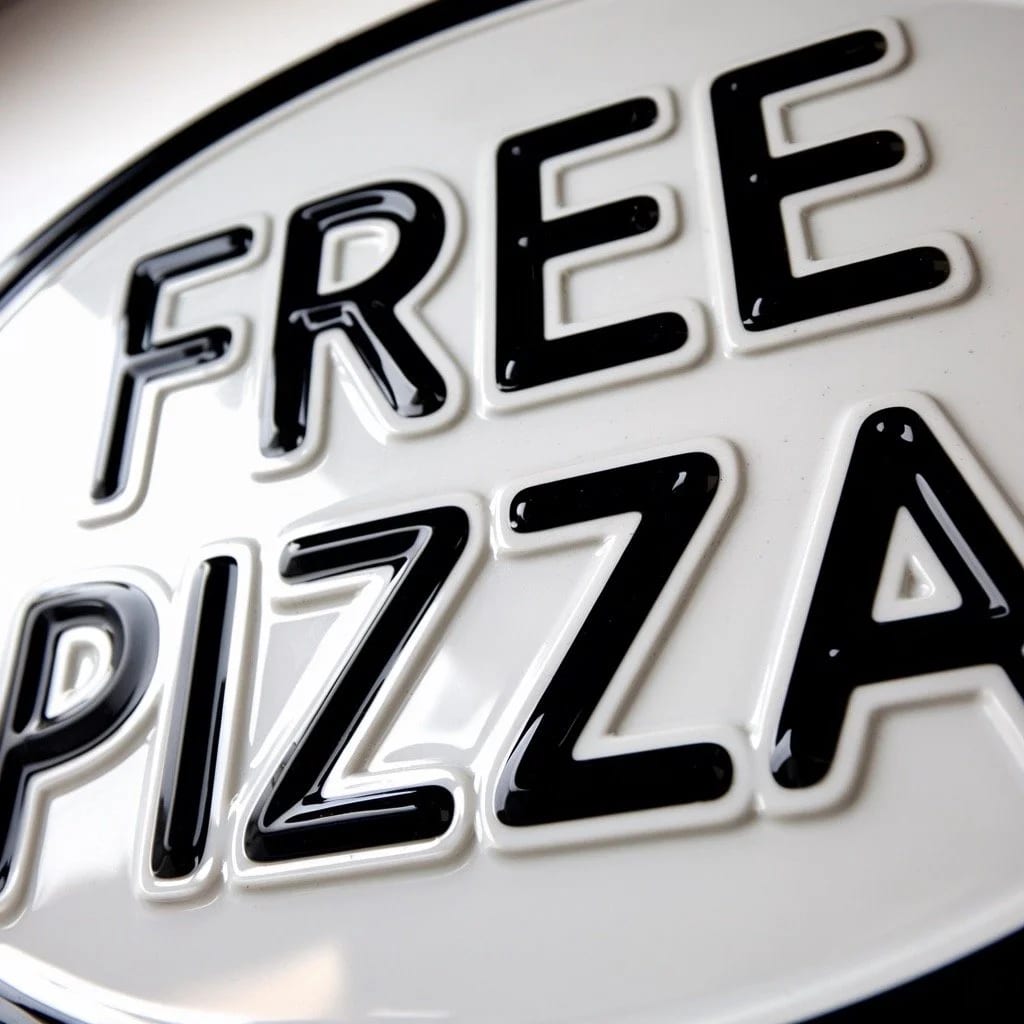
When a San Jose business orders custom signage, the finish can feel like a small detail until the proof is ready: matte or gloss? That choice affects more than style. It changes how the sign handles glare, how easily people can read it, how often it needs cleaning, and whether it feels right for the space.
For aluminum storefront signs near downtown San Jose, lobby graphics in Santa Clara, office wayfinding in Palo Alto, or window decals on a Sunnyvale retail door, the right finish depends on the site. Direct sun, glass reflections, customer touch points, landlord finish standards, and cleaning habits all matter. Here's how to think through the choice before your sign goes into production.
What's the difference between matte and gloss sign finishes?
A sign finish is the outer surface or protective layer applied over graphics, vinyl, printed panels, or dimensional sign faces. It affects the final look, but it also helps protect the sign from handling, sunlight, moisture, cleaning, and everyday wear.
Matte finishes diffuse light instead of bouncing it straight back. The surface looks softer and less reflective, which can make text easier to read in bright areas. Industry guidance from Gregory, Inc. also points to matte laminates as a practical choice for reducing glare, fingerprints, and visible surface scratches.
Gloss finishes reflect more light and make colors look deeper, sharper, and more saturated. That polish can help a sign stand out from the street, especially when the design has bold color, a strong logo, or simple messaging that needs to catch attention quickly.
When should you choose a matte finish?
Matte finishes are useful when readability, low glare, and a clean professional feel matter more than shine. They are especially strong in spaces with overhead lighting, nearby glass, or surfaces that customers and employees may touch.
- Office and lobby signage in Palo Alto, Mountain View, Cupertino, and Santa Clara workplaces with bright interior lighting
- Wayfinding systems that people need to read quickly from different angles
- Text-heavy designs such as menus, directories, policy signs, and informational displays
- High-touch areas where fingerprints and smudges would be distracting
- Modern brand environments that call for a quieter, more restrained finish
Matte is often the better call for lobby signs, wall graphics, interior panels, and directional signage around tech offices, medical offices, schools, and service businesses. It keeps the surface from fighting the message, which matters when people are trying to read a room number, suite name, menu, or safety notice quickly.
When does a gloss finish make more sense?
Gloss finishes make more sense when the sign needs to feel bright, polished, and visible from a distance. If the design is simple and the goal is attention, gloss can add energy without changing the artwork itself.
- Storefront and exterior signs that need to catch attention from the sidewalk, parking lot, or street
- Vehicle wraps and fleet graphics for service businesses driving through San Jose, Milpitas, Fremont, and the South Bay
- Promotional banners and event signage with bold graphics or short messages
- Retail environments where color and shine support the customer experience
- Brands with energetic visual identities that want a crisp, finished look
For San Jose storefronts along busy commercial corridors, gloss can help signs read as fresh and visible against cars, windows, neighboring signs, and street activity. It is also a natural fit for vehicle graphics when the brand colors need to look vivid in daylight.
How do matte and gloss finishes affect durability?
Both finish types can perform well when they are paired with the right material, laminate, and installation method. Westmount Signs describes laminate as a protective layer that helps guard the printed surface from moisture, physical wear, and UV exposure.
The practical difference lies in how wear shows over time:
- Matte finishes conceal minor scratches, dust, and handling marks, which helps signs that get touched, bumped, or cleaned often
- Gloss finishes show smudges and fine scratches more readily, but they can keep color looking strong when the surface is cared for correctly
In the South Bay, a sign may deal with direct afternoon sun, heat off pavement, dust near parking lots, and occasional wet weather. In nearby Peninsula cities, glass-heavy storefronts and office interiors can add reflection issues. The finish should match those site conditions rather than being chosen from a small swatch alone.
What about cost differences between finishes?
Matte and gloss are often close in initial material cost, depending on the sign type and laminate. The bigger difference is usually maintenance and the environment where the sign will live.
- Matte signs can require less visible upkeep because they hide fingerprints, dust, and small scuffs more gracefully
- Gloss signs may need more regular cleaning to stay pristine, especially near doors, sidewalks, parking lots, or high-touch display areas
For a lobby directory or interior wall sign, matte may offer better long-term value because it stays tidy with less fuss. For a storefront panel, banner, or vehicle graphic, gloss may be worth the extra upkeep because the color and shine help the sign do its job from farther away.
Can you combine matte and gloss on the same sign?
Yes. Combining finishes is a useful way to add hierarchy without making the design louder. It can make a logo, letterform, pattern, or accent line catch light while the rest of the sign stays calm.
- Glossy logos on matte backgrounds
- Matte text with gloss accent elements
- Alternating finishes to create depth and dimension
This approach works well for reception signs, branded conference rooms, retail displays, donor walls, and dimensional letters. It is also helpful when a landlord or property manager wants a restrained exterior look but the business still wants a detail that feels custom up close.
What specialty finishes exist beyond matte and gloss?
If pure matte feels too flat and full gloss feels too shiny, there are middle-ground and specialty options worth considering:
- Satin or luster finishes offer moderate sheen with reduced glare, which can be a balanced choice for many commercial interiors
- Soft-touch finishes add a velvety tactile quality popular for premium interior signage
- Ultra-matte finishes eliminate virtually all reflection for light-sensitive environments
Specialty finishes are most useful when the sign will be viewed up close, such as a lobby sign, product display, showroom graphic, or branded wall panel. For a sign viewed mostly from the street, basic readability and contrast usually matter more than a subtle finish effect.
How to decide: key questions for your project
Before finalizing your finish selection, walk through the actual use case:
- Where will the sign be located? Interior spaces often favor matte; exterior and vehicle applications may benefit from gloss visibility.
- What lighting conditions exist? Direct sun, bright LEDs, and glass reflections can make matte easier to read.
- How far away is the viewer? A storefront sign needs different contrast than a lobby plaque or interior directional panel.
- Will people touch the sign? High-touch applications benefit from matte's ability to hide fingerprints.
- How often will it be cleaned? Gloss can look excellent, but it rewards careful upkeep.
- What does the brand need to feel like? Choose matte for a more subtle, architectural look or gloss for a brighter, more polished presence.
Ready to choose the right finish for your sign project?
The best finish depends on the sign material, lighting, viewing distance, maintenance expectations, and the way your brand should show up in the space. A San Jose restaurant, a Santa Clara office, a Cupertino showroom, and a Fremont service fleet may all need different finish choices even when the artwork is similar.
Start your custom sign project and we can help compare finish options for your application. Have questions first? Contact our team or learn more about project-specific sign installation services for San Jose and the listed Silicon Valley service areas.