
Choosing the Right Screws for Mounting Bronze Plaques in San Jose
Bronze plaques only stay elegant when the mounting hardware matches the surface, climate, and use case. Learn how to choose screw materials, anchors, tamper-resistant heads, and installation details for San Jose properties and nearby Silicon Valley sites.
Key takeaways
- Silicon bronze screws offer the closest visual match and strong corrosion resistance for permanent bronze plaque mounting.
- Stainless steel, especially 316 grade, is a dependable choice for exterior plaques, public entries, and damp Bay Area conditions.
- The anchor matters as much as the screw; masonry, stone, wood, stucco, and metal each need different holding methods.
- Galvanic corrosion can develop when dissimilar metals touch in the presence of moisture, so use compatible hardware or insulating washers.
- For public-facing plaques in San Jose and nearby cities, plan for tamper resistance, clean drainage, and routine hardware checks.
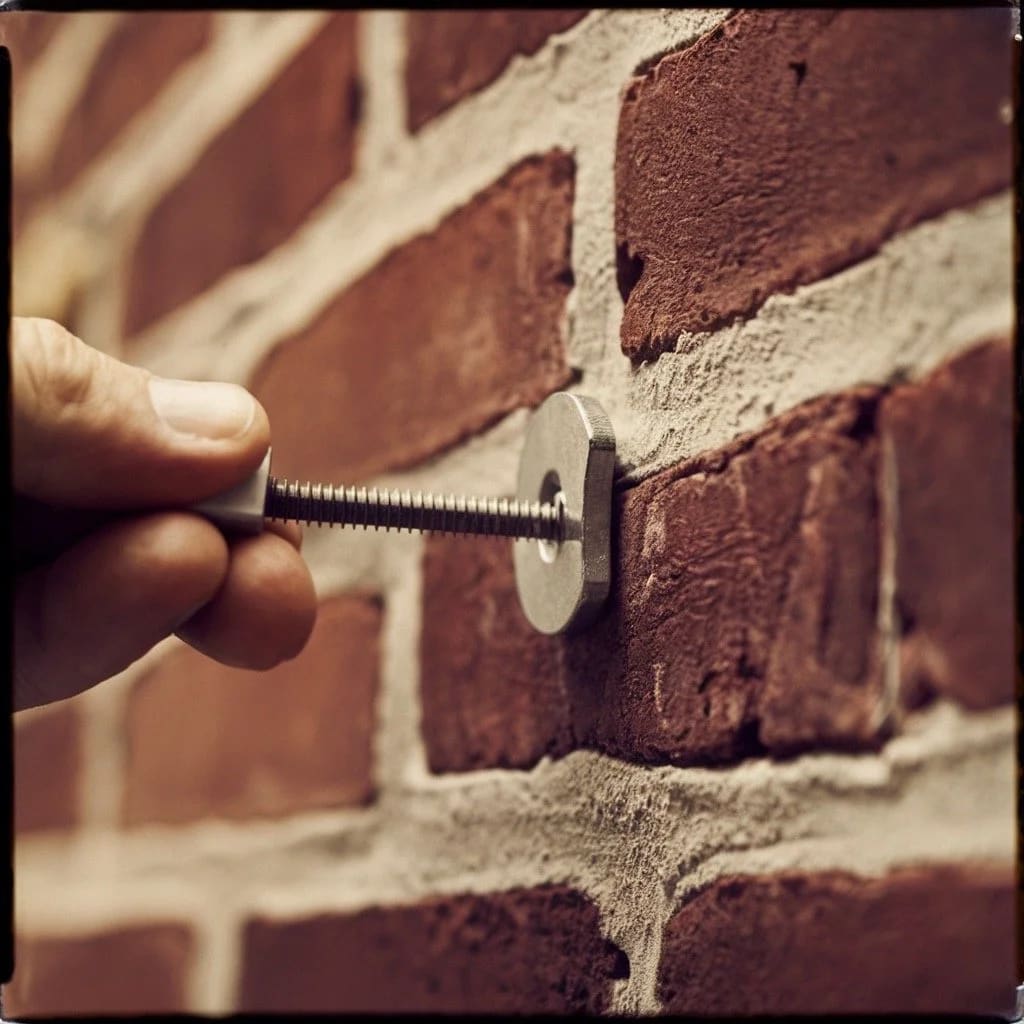
Bronze plaques are meant to feel permanent. They mark memorial walls, donor displays, building entries, civic sites, schools, offices, restaurants, and commercial properties with a finish that should age with dignity. But the casting is only part of the installation. The screws, anchors, washers, and holes behind the plaque decide whether it stays secure or begins to loosen, stain, or pull away from the wall.
This guide is written for San Jose property managers, contractors, facilities teams, and business owners who need practical sign-shop guidance on mounting bronze plaques. It covers fastener materials, anchor choices, public-facing tamper resistance, and the local installation realities that show up across Palo Alto, Santa Clara, Sunnyvale, Mountain View, Cupertino, Milpitas, Fremont, and the wider Bay Area.
Why does screw selection matter for bronze plaques?
Bronze plaques are heavy for their size, and most are installed where people can see and touch them. A weak screw, undersized anchor, or rushed pilot hole can turn a clean installation into a loose plaque with stained edges and damaged mounting holes. If the fastener corrodes, the problem can spread to the face of the plaque or the wall behind it.
The South Bay adds its own details. A plaque on a sun-exposed wall in San Jose may deal with heat, irrigation overspray, dust, and routine pressure washing. A shaded office entry in Palo Alto or Mountain View may stay damp longer after rain. Bayside or fog-prone jobs can also bring salt air and more frequent moisture. Hardware should be selected for the actual wall, exposure, and use case, not just for the look of the screw head.
What are the best screw materials for bronze plaques?
Silicon bronze screws: The premium choice
Silicon bronze screws are often the best choice when appearance matters as much as holding power. The color sits naturally with bronze castings, so the fastener looks intentional rather than like hardware borrowed from a general repair kit. According to Jamestown Distributors, silicon bronze is valued for corrosion resistance and has a long history in marine and exterior woodworking applications.
The trade-off is softness. Bronze screws are easier to damage than steel if the pilot hole is too tight or the installer overdrives the head. They also tend to cost more and may require ordering the right head style in advance. For memorial plaques, donor recognition walls, historic markers, and high-visibility lobby installations, the cleaner visual match is often worth the extra planning.
Stainless steel screws: The all-purpose workhorse
Stainless steel screws are a practical option for many outdoor bronze plaque installations. They are strong, widely available, and better suited than plated steel for weather exposure. For damp, coastal, or public-facing Bay Area locations, 316 grade stainless steel is usually preferred because it has stronger resistance to chloride-related corrosion than common stainless grades.
Standard 18-8 stainless can work well for many inland installations in San Jose, Palo Alto, or Concord, especially when the screw is not exposed to constant moisture. One caution: stainless performs best when it can remain exposed to oxygen. If the screw will be buried in sealant, trapped behind a wet surface, or covered by another metal part, the full assembly needs to be considered.
Brass screws: Aesthetic compatibility with limitations
Brass screws have a warm tone that can look better with bronze than bright steel. They are common in decorative work and can be appropriate for protected interior plaques, display cases, and some low-stress applications. The limitation is strength. Brass is softer than stainless steel and can deform or snap if forced into a tight hole.
For an exterior plaque, brass should be used carefully. It can tarnish, and it may not be the right choice for a plaque that will be bumped by pedestrians, carts, or maintenance equipment.
Coated screws: Budget-friendly but shorter-lived
Galvanized or zinc-plated screws can be tempting because they are inexpensive and easy to find. The problem is that the protection is a coating, not the base metal. Once the coating is scratched, worn, or cut by the threads, corrosion can start. These fasteners may be acceptable for temporary mockups or protected interior work, but they are not a good choice for permanent exterior bronze plaques.
Should you use tamper-resistant screw heads?
For plaques mounted in lobbies, private offices, or controlled interiors, a standard flat-head or oval-head screw may be enough. For public-facing plaques on storefronts, school campuses, parking areas, civic buildings, and busy commercial corridors, tamper-resistant heads are worth considering.
The goal is not to make the plaque impossible to service. The goal is to slow down casual removal and keep the hardware looking clean. Pin-in-hex, spanner, one-way, and other security heads can help, but they require the correct driver bit for maintenance. If a building owner, landlord, or facilities team will need future access, document the head style and keep the driver with the project records.
How do you prevent galvanic corrosion between metals?
Galvanic corrosion is a common cause of fastener failure and staining. It happens when two dissimilar metals touch while moisture is present. In a bronze plaque installation, the moisture may come from rain, sprinklers, fog, cleaning, condensation, or trapped water behind the plaque.
According to Industrial Metal Service, reducing galvanic corrosion starts with material compatibility and isolation. In practical sign installation terms, that means:
- Match metals where practical: Bronze screws with bronze plaques reduce the chance of a visible mismatch and lower corrosion risk at the face.
- Separate dissimilar metals: Nylon or neoprene washers can interrupt direct metal-to-metal contact.
- Keep water moving: Avoid trapping moisture behind the plaque or around screw heads.
- Use compatible anchors: A stainless screw in a low-grade steel anchor can still create a weak point.
- Protect exposed joints: Clear sealant or wax can help, as long as it does not trap water in the wrong place.
What size and length screws work best?
Screw size depends on plaque weight, hole placement, wall construction, and whether the plaque is surface-mounted or mounted with a stand-off detail. A small interior name plaque may only need modest fasteners. A larger cast bronze dedication plaque on masonry should be treated like a permanent architectural installation.
- Length: Screws should reach solid material, not just finish layers. In wood, that usually means enough embedment into the framing or blocking. In masonry, anchor depth controls screw length.
- Diameter: #8 to #10 screws work for many small to medium plaques. Larger cast plaques may require #12 screws, threaded studs, or 1/4-inch bolts.
- Head style: Flat-head and oval-head screws are common because they sit cleanly in countersunk plaque holes. Security heads may be better for public entries.
- Weight distribution: Use enough mounting points to spread the load. Do not rely on one or two fasteners for a plaque that is heavy, wide, or reachable by the public.
If the plaque was cast with specific mounting holes or bosses, use those locations. Drilling new holes through a finished bronze plaque can damage the face, compromise the finish, and create a layout that looks improvised.
How do you mount bronze plaques on different surfaces?
Mounting on wood
Wood can be straightforward if it is solid, dry, and thick enough to hold the fastener. Pre-drill pilot holes slightly smaller than the screw shank, and make sure the plaque is biting into real backing rather than trim alone. If the plaque is going on a wood storefront fascia, monument sign face, or interior wall panel, confirm that the substrate is not hollow behind the finish.
Use stainless steel or silicon bronze screws that will not corrode from moisture in the wood. For softer woods, hand-tightening is often safer than driving the screw aggressively with a drill.
Mounting on stone or granite
Stone and granite require patience. Use the right masonry bit, drill straight, clear debris from the hole, and avoid forcing the anchor. A cracked stone panel is expensive to repair and can make an otherwise refined plaque installation look careless.
For polished stone, confirm the hole layout before drilling. Use tape, a template, and a level so the plaque lands square the first time. Stainless hardware is common here, but the anchor material should be selected with the same care as the screw.
Mounting on brick
Brick can vary widely from one building to another. On some older walls, mortar joints are the better place to drill because they are easier to repair and less likely to chip the brick face. On other walls, the layout of the plaque may require drilling into brick or a concrete backup condition. Use masonry anchors that match the wall, and check anchor security before final tightening.
Mounting on metal
Metal-to-metal mounting requires extra attention to galvanic compatibility. A bronze plaque on an aluminum sign cabinet, steel gate, or metal wall panel may need non-conductive washers or another isolation detail. Self-tapping stainless screws can work for some thin metal applications, while thicker steel may need drilled and tapped holes.
Mounting on stucco or finished exterior walls
Many San Jose and South Bay commercial buildings have stucco, EIFS, tile, or other finish layers over framing or masonry. Do not assume the finish layer can carry the plaque. The fastener needs to reach a structural backing or an anchor system designed for that wall assembly. This is also where landlord coordination matters: building owners may have rules about wall penetrations, waterproofing, and who is allowed to drill into the facade.
What installation techniques ensure long-term success?
Pre-drilling and pilot holes
Always pre-drill pilot holes. They keep the screw straight, reduce cracking and splitting, and make softer materials like bronze less likely to break during installation. Pilot holes also make the final alignment cleaner, which matters when the screw heads are visible on the face of the plaque.
Using appropriate anchors
For masonry, drywall, hollow walls, and some exterior finishes, anchors are essential. Choose an anchor rated for the plaque weight with a reasonable safety margin. Expanding anchors, sleeve anchors, threaded inserts, and toggle-style fasteners all solve different problems, so the wall condition should be identified before the hardware is purchased.
Proper torque control
Over-tightening strips threads, breaks soft screws, distorts decorative heads, and can crack the mounting surface. Stop when the screw is snug and the plaque is seated evenly. Extra force rarely adds security; it usually creates the next repair.
Drainage and sealant
Sealant can help keep water out of wall penetrations, but it should be used thoughtfully. A bead that traps water behind the plaque can create corrosion and staining. For exterior plaques, the better detail is usually controlled sealing at penetrations plus a path for moisture to escape.
How do you maintain bronze plaque mounting hardware?
Even good hardware needs periodic attention, especially on plaques installed near landscaping, storefront wash-down areas, parking lots, and shaded entries.
- Annual inspection: Check all screws for loosening, staining, corrosion, or head damage.
- Post-weather checks: Inspect after major storms, building maintenance, facade repairs, or pressure washing.
- Clean periodically: Remove dirt around screw heads with a soft brush. Avoid abrasive cleaners that can damage the plaque finish or protective coatings.
- Watch irrigation overspray: Sprinklers and drip lines can keep one side of a plaque damp and accelerate corrosion.
- Refresh protection: If wax or sealant was part of the installation detail, refresh it when it stops performing.
What common mistakes should you avoid?
Over-tightening: Stripped threads and cracked mounting surfaces are avoidable. Go snug, not forced.
Ignoring the environment: A screw that works on a protected San Jose lobby wall may not be right for a damp exterior entry, a landscaped monument sign, or a fog-prone exterior site. Match hardware to exposure.
Mixing incompatible metals: Plain steel screws on bronze plaques can create staining and galvanic corrosion. Use compatible or insulated fasteners.
Skipping pilot holes: Even in softwood, pilot holes prevent splitting and keep visible screw heads aligned.
Relying on adhesive only: Adhesive can be useful in some sign installations, but bronze plaques are too heavy and too permanent to trust to adhesive alone unless the plaque and wall system were specifically designed for that method.
Forgetting future service: If you use tamper-resistant screws, record the head type and keep the driver bit available. Future facilities teams should not have to damage the plaque just to remove or service it.
Ready to install your bronze plaque?
Whether you are mounting a memorial plaque, business entry plaque, donor recognition display, historic marker, or building identification sign, the right screws protect the larger investment. The best hardware choice depends on the plaque, the wall, the exposure, and how the space will be used every day.
Need help with professional plaque installation in San Jose or one of the listed Silicon Valley service areas? San Jo Sign Co can help with hardware selection, substrate review, and final mounting. Start your project so the written scope can confirm the mounting plan and site responsibilities.