
Dibond vs. Aluminum Signs: Which Material Works Best for Durable Storefronts?
Choosing between Dibond and solid aluminum for a storefront sign in San Jose or the South Bay? Here is what matters for durability, mounting, maintenance, and long-term performance.
Key takeaways
- Dibond is a three-layer aluminum composite panel: two thin aluminum sheets bonded to a solid polyethylene core, giving storefronts strong rigidity with much less weight than solid aluminum.
- Solid aluminum is heavier and more impact-resistant, which can matter for sidewalk-facing signs, parking areas, and locations where carts, doors, or maintenance equipment may hit the sign.
- Both materials hold up well in San Jose and the wider Bay Area when graphics, edge details, and mounting hardware are specified for sun, moisture, and building movement.
- The best choice usually comes down to sign size, installation surface, landlord expectations, budget, and whether the finished edges will be visible.
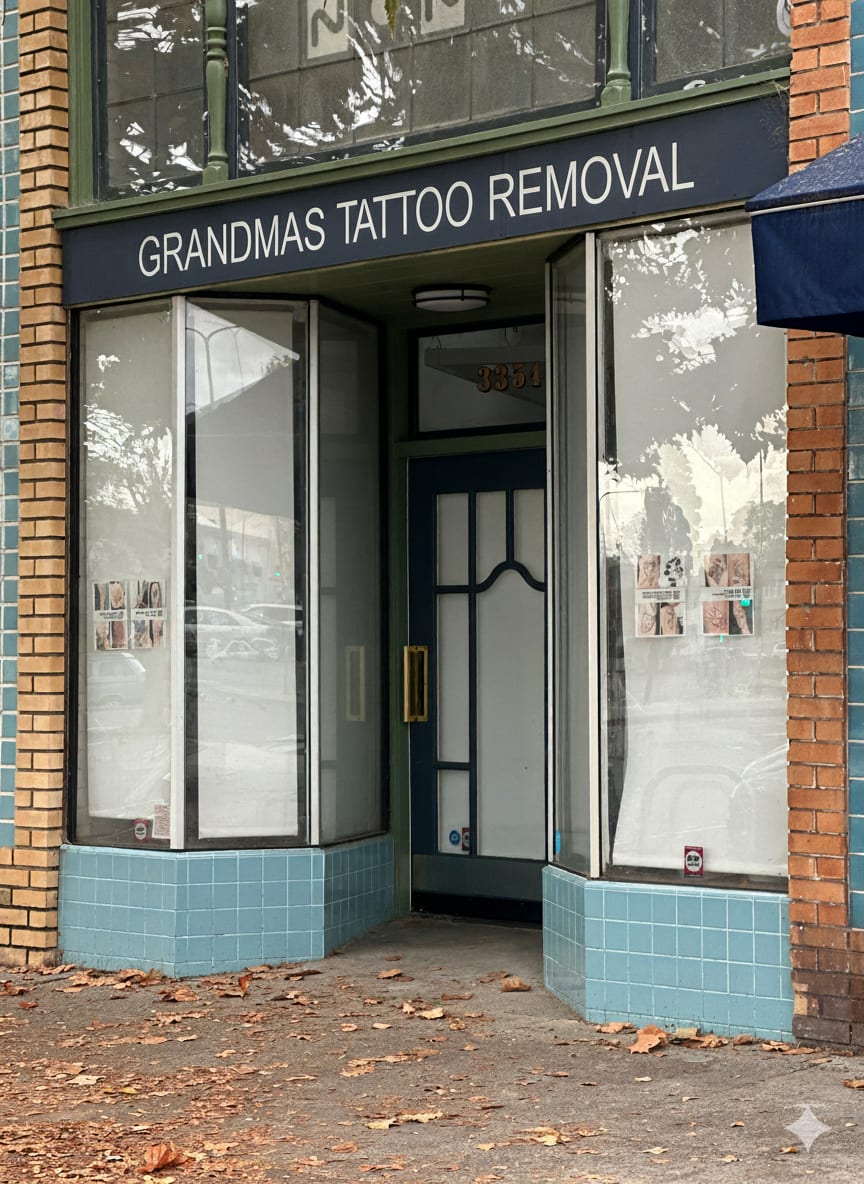
For a storefront sign, the substrate is not just a production detail. It affects how the sign mounts, how clean the face looks, how much weight the building has to carry, and how much maintenance the sign may need after a few seasons of sun and weather. Two common options, Dibond (aluminum composite material) and solid aluminum, can both make durable commercial signs, but they solve slightly different problems.
That difference matters for San Jose storefronts and nearby business corridors in Santa Clara, Sunnyvale, Mountain View, Cupertino, Milpitas, Fremont, and Palo Alto, where signs may be mounted to stucco, masonry, storefront framing, raceways, monument faces, or landlord-controlled fascia. Here is how the materials compare in practical sign-shop terms.
What is Dibond, and how does it differ from solid aluminum?
Dibond is a brand-name aluminum composite material (ACM) manufactured by 3A Composites. According to Piedmont Plastics, it is made from two pre-painted aluminum sheets, typically 0.012" thick each, bonded to a solid polyethylene core.
That sandwich-style construction creates a panel that is:
- Roughly half the weight of solid aluminum at comparable rigidity.
- Very flat and stable, which helps larger storefront panels look smooth instead of wavy.
- Easy to machine, route, and contour-cut with standard CNC equipment.
Solid aluminum panels are a single sheet of aluminum alloy. They are denser, heavier, and more impact-resistant than composite panels. They also allow more exposed-edge finishing because there is no plastic core visible at the side of the sign.
Which material handles San Jose weather better?
Both Dibond and solid aluminum perform well outdoors when they are fabricated and installed correctly. In the South Bay, the bigger concerns are direct sun, afternoon heat on exposed walls, winter rain, dust from busy roads, and the occasional windy mounting location rather than snow or severe freeze cycles.
The key durability factors are:
- Corrosion resistance: Aluminum naturally forms a protective oxide layer. Both materials resist rust, though Bay Area sites closer to marine air or frequent irrigation overspray may benefit from better coatings and hardware choices.
- UV stability: The printed face, vinyl graphics, laminate, and paint system usually determine fading before the substrate does. Quality UV-resistant inks and films matter on sunny storefronts along roads like Stevens Creek Boulevard, El Camino Real, or Capitol Expressway.
- Thermal movement: Both materials expand and contract with temperature changes. Proper fastening, panel spacing, and installation planning help prevent buckling, oil-canning, or stress around holes.
For most storefront applications in San Jose and nearby cities, either material can deliver years of reliable outdoor performance. The installation surface and graphic finish often decide more than the panel material alone.
When does Dibond make more sense?
Dibond is often the better choice when the sign needs to look crisp without adding unnecessary weight. It is especially useful when:
- The sign is large: The weight savings add up quickly. A 4x8-foot Dibond panel weighs significantly less than solid aluminum, which can simplify mounting hardware, handling, and installation labor.
- The storefront has attachment limits: Some lease spaces, older fascia boards, and tenant improvement conditions call for a lighter panel that still stays flat.
- The budget has to cover more than one sign: Dibond typically costs less than solid aluminum of comparable visual size, which helps when a business needs a main sign plus directional signs, suite signs, or window-adjacent graphics.
- Custom shapes are needed: The polyethylene core routes cleanly, allowing logo contours, shaped panels, and decorative profiles without a lot of extra weight.
- A clean printed face is the priority: Dibond is manufactured for excellent flatness, making it a strong option for flush-mounted displays where waviness would be noticeable.
When does solid aluminum make more sense?
Solid aluminum signs are still the better fit in certain commercial settings. They make sense when:
- Impact resistance matters: Parking lot signs, alley-facing panels, post-and-panel signs, and sidewalk-level signs may benefit from the extra density of solid aluminum.
- The edge will be seen: Solid aluminum can be polished, beveled, painted, or finished in ways that show the material itself instead of hiding a composite edge.
- The sign is small: For smaller address panels, regulatory signs, door signs, or suite markers, the weight difference may be minor, making the toughness of aluminum more appealing.
- The sign needs a long service life in a hard-use area: Both materials are durable, but solid aluminum has no core layer that could be exposed by repeated impacts or rough handling.
Installation and landlord considerations
Material choice can affect approvals and installation, especially in multi-tenant retail centers, office parks, medical buildings, and food-service plazas across the South Bay. A landlord or property manager may care about sign thickness, exposed edges, mounting method, raceway use, and whether the sign can be removed cleanly at the end of a lease.
Before committing to Dibond or solid aluminum, look at:
- Mounting surface: Stucco, concrete, brick, metal fascia, wood blocking, and existing sign cabinets all call for different fasteners and panel choices.
- Panel thickness: Some storefront designs look better with a slim face, while others need standoffs, spacers, or a dimensional build-up.
- Visibility from traffic: A flat Dibond or aluminum sign may need stronger contrast, larger lettering, or supplemental window graphics if the storefront sits back from the street.
- Future removal: Lightweight panels can be easier to remove and replace when a tenant rebrands, expands, or moves to another Bay Area location.
Sustainability considerations
Both materials have sustainability tradeoffs worth considering:
- Aluminum recycling: According to The Aluminum Association, recycling aluminum requires only about 5% of the energy needed to produce primary aluminum. Solid aluminum is straightforward to recycle, and ACM panels may be recyclable through facilities that accept composite materials.
- Material efficiency: Dibond uses less aluminum per panel than solid aluminum of equivalent rigidity, which can reduce the material footprint for large-format signage.
- Service life: A sign that stays readable, secure, and appropriate for the location is usually the more responsible choice than the cheapest panel that needs early replacement.
Making the right call for your storefront
There is no universal winner between Dibond and solid aluminum. The right choice depends on where the sign will live, how large it is, how close customers can get to it, and what the building will allow.
- For large wall signs, printed storefront panels, fascia-mounted displays, and budget-conscious multi-sign packages, Dibond often delivers the best balance of appearance, rigidity, and value.
- For high-contact areas, exposed edges, post-mounted panels, and smaller signs that need extra toughness, solid aluminum may justify the added weight and cost.
If you are planning signage in San Jose or one of the listed Silicon Valley service areas, start your project with us and we will help compare material options based on the mounting conditions, visibility needs, and design goals for your location.