
Paint Adhesion on ACM Panels: Surface Prep for San Jose Signs and Bay Area Weather
Prepare ACM sign panels for stronger paint adhesion across San Jose, the South Bay, and changing Bay Area weather.
Key takeaways
- Clean ACM sign panels with 70% isopropyl alcohol so oils, dust, and shop residue do not block adhesion
- Scuff the coated surface with 360-grit sandpaper without cutting through to bare aluminum
- Plan around South Bay heat, morning moisture, Peninsula fog, and changing jobsite conditions
- Match primer selection to the paint system, exposure, and how the finished sign will be installed
- Let stored panels acclimate before prep so condensation and static do not compromise the surface
- Keep prep, priming, and curing temperatures within manufacturer limits and never above 175°F (80°C)
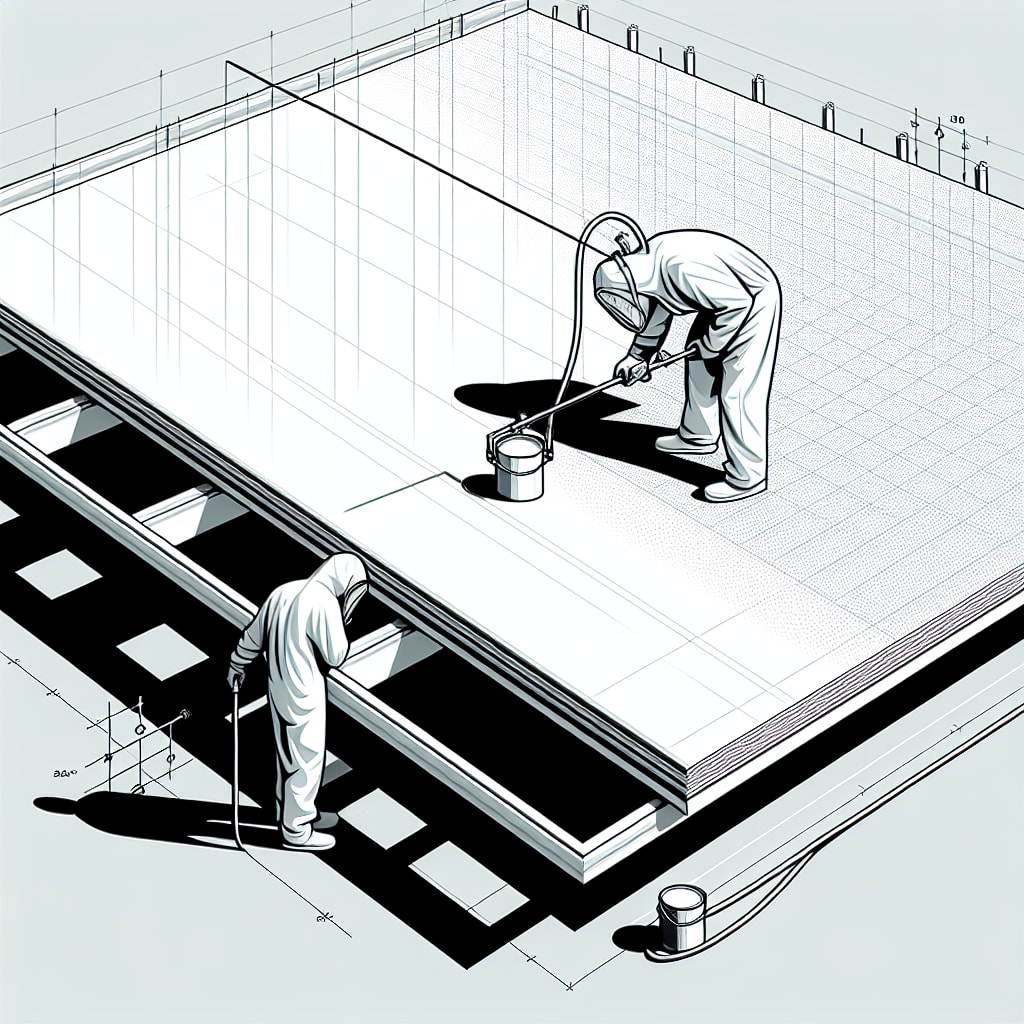
Painting on Aluminum Composite Material (ACM) panels for commercial signs takes more than choosing the right color. In San Jose and the surrounding South Bay, panels may be fabricated in a clean shop, transported through traffic, installed on a sun-baked storefront, then exposed to dust, moisture, UV, and occasional coastal air moving in from the Peninsula. Whether you are planning Dibond signage for a downtown San Jose storefront, a tenant panel in Santa Clara, or a painted wayfinding sign for a Palo Alto office, proper prep work is what gives the coating a fair chance to last.
Why Does Surface Preparation Matter for ACM Panels?
ACM panels consist of two thin aluminum sheets bonded to a solid polyethylene or honeycomb core. The factory-applied coating on the paintable side creates a smooth, rigid face for signs, but it does not behave like raw aluminum. Paint needs a clean surface, light abrasion, and the right primer system to bond. Without that sequence, coatings can peel at edges, around fasteners, or near routed details where moisture and heat stress collect.
According to Natural Pigments, a leading authority on artist materials, the key to ACM adhesion is removing contaminants and creating mechanical "tooth" for primers to grip without damaging the protective coating. That same principle applies whether the finished panel is headed to a retail corridor in Santana Row, a light-industrial building in Milpitas, or an exterior wall in Fremont.
What Are the Essential Steps for Preparing ACM Panels?
Follow this sequence for reliable results on painted ACM sign panels:
- Remove protective film slowly so static does not pull dust back onto the panel face.
- Clean with 70% isopropyl alcohol using a lint-free, non-colored cloth. Avoid soaps, aggressive solvents, and silicone-containing cleaners because they can leave adhesion-blocking residue.
- Scuff the coated side with 360-grit sandpaper to create mechanical tooth. Do not sand through the coating or expose bare aluminum.
- Clean the surface again with a fresh alcohol-moistened cloth to remove sanding dust from edges, corners, and routed areas.
- Apply a compatible primer based on the paint system, panel manufacturer guidance, and the sign location. Acrylic primers work for many media; oil or alkyd primers suit some oil-based finishes.
- Allow full cure time before handling, masking, drilling, mounting, or applying finish coats.
For professional sign installations, our installation team treats surface prep and handling as part of the same process. A well-prepped panel can still fail if it is stacked before it cures, drilled with contaminated tools, or installed before coatings have reached the required hardness.
What Materials Work Best for South Bay Sign Panels?
For San Jose, Sunnyvale, Mountain View, Cupertino, and nearby service areas, sign professionals typically rely on a controlled prep kit rather than whatever is already on the workbench:
- 70% isopropyl alcohol for final surface cleaning
- 360-grit sandpaper or non-woven abrasive pads
- Compatible primers chosen for the paint, substrate, exposure, and expected cleaning routine
- Lint-free, non-colored cloths so dyes and fibers do not transfer to the panel
- PPE: nitrile gloves, safety glasses, and ventilation appropriate to the coating system
- Environmental monitoring tools: thermometer, hygrometer, and dew point reference
- Clean handling materials: fresh masking, covered racks, and padded supports that keep the face off dusty surfaces
Foam rollers—not nap rollers—produce the smoothest primer application on ACM, according to Muddy Colors, a respected resource for professional painters.
How Do Bay Area Microclimates Affect ACM Prep Timing?
Even when the primary jobsite is in San Jose, the Bay Area can change the working conditions quickly. A panel may start the day in a cool shop, sit in a warm vehicle, and end up on a windy exterior wall in Santa Clara or Fremont. For ACM surface prep, monitor these conditions before starting work:
- Ambient temperature: Often best in the 50-85°F (10-29°C) range, depending on the product data sheet
- Surface temperature: Panels stored in cold, hot, or damp conditions should acclimate before cleaning or sanding
- Relative humidity: High humidity and morning moisture can make indoor prep the better choice
- Dew point: Surface temperature should stay comfortably above dew point to avoid condensation
- Wind and dust: Avoid outdoor prep when airborne particles can settle into primer or fresh paint
This is especially important for exterior storefront signs, monument faces, menu boards, directional panels, and tenant sign inserts. Many Bay Area sign shops complete surface prep indoors, then transport cured or partially finished panels for on-site installation once landlord access, wall conditions, and scheduling are coordinated.
What Professional Standards Should You Follow?
For commercial signage, painted murals on ACM, and custom tenant panels, keep the process disciplined:
- Maintain ventilation during all solvent and primer applications
- Follow manufacturer specs for the ACM panel, primer, paint, adhesive, and mounting method
- Document environmental conditions such as temperature, humidity, panel location, and prep time for quality control
- Never exceed 175°F (80°C) during prep, priming, or curing
- Use only the coated side of the panel for painting because the reverse side may not have the same finish
- Protect prepped surfaces from fingerprints, tape residue, wall dust, and metal shavings before final coating
If you are planning a custom aluminum sign project that requires painted ACM, professional surface preparation helps the finished sign hold up to repeated cleaning, direct sun, building vibration, and the everyday wear of a commercial property.
How Do You Maintain Painted ACM Panels Over Time?
Even with careful surface prep, maintenance matters. Exterior signs in San Jose and nearby cities pick up road dust, pollen, irrigation overspray, handprints, and occasional salt residue carried inland by Bay Area weather. A simple inspection routine can extend coating life:
- Quarterly visual inspections for chips, lifted edges, bubbling, or adhesion failure
- Prompt touch-ups on exposed areas before moisture reaches vulnerable edges
- Regular cleaning with mild soap and water rather than harsh solvents
- Careful pressure washing around seams, fasteners, and vinyl overlays so water is not forced behind the face
- Documentation of maintenance activities for internal records and warranty conversations
What Safety and Environmental Rules Apply?
Bay Area signage work also needs practical safety planning. Prep and coating materials may involve solvents, sanding dust, primer containers, masking waste, and ventilation concerns, especially when work is performed inside a shop or near an active tenant space.
- Check applicable air-quality requirements before spraying or using higher-VOC coating systems
- Dispose of materials properly including cleaning cloths, primer containers, and sanding dust
- Use PPE such as gloves, eye protection, and respiratory protection when the coating method calls for it
- Protect the jobsite so cleaning water, dust, and overspray do not affect adjacent storefronts, vehicles, landscaping, or pedestrians
These practices protect workers, neighboring businesses, and the finished sign. They also make coordination smoother when the project involves a property manager, landlord, or general contractor.
Ready to Start Your ACM Sign Project?
Proper surface preparation is the foundation of every successful ACM panel paint job. For South Bay businesses, the best results come from thinking about the entire life of the sign: fabrication, priming, transport, installation, cleaning, and weather exposure. These details matter whether the panel is going on a restaurant in San Jose, an office park in Mountain View, a retail center in Cupertino, or a commercial building in Palo Alto.
Contact San Jo Sign Co to discuss your next ACM panel project. Our team handles surface prep and fabrication and quotes project-specific installation in San Jose and the listed Silicon Valley service areas.