
Powder Coating Metal Signs: Finish Durability for San Jose Storefronts
A durable powder-coated metal sign depends on cure temperature, coating thickness, surface prep, and the small details around edges, fasteners, and outdoor exposure.
Key takeaways
- Most powder coatings cure around 350–400°F (177–204°C), but the part temperature matters more than the oven setpoint
- Exterior metal signs commonly need 3–4 mils of coating, with extra attention at edges, returns, and drilled holes
- San Jose and South Bay storefronts face sun, dust, irrigation overspray, traffic grime, and seasonal moisture
- Surface prep and pretreatment are just as important as the powder color when signs need to last outdoors
- Thickness checks, adhesion checks, and mounting-point planning help prevent premature chips and corrosion
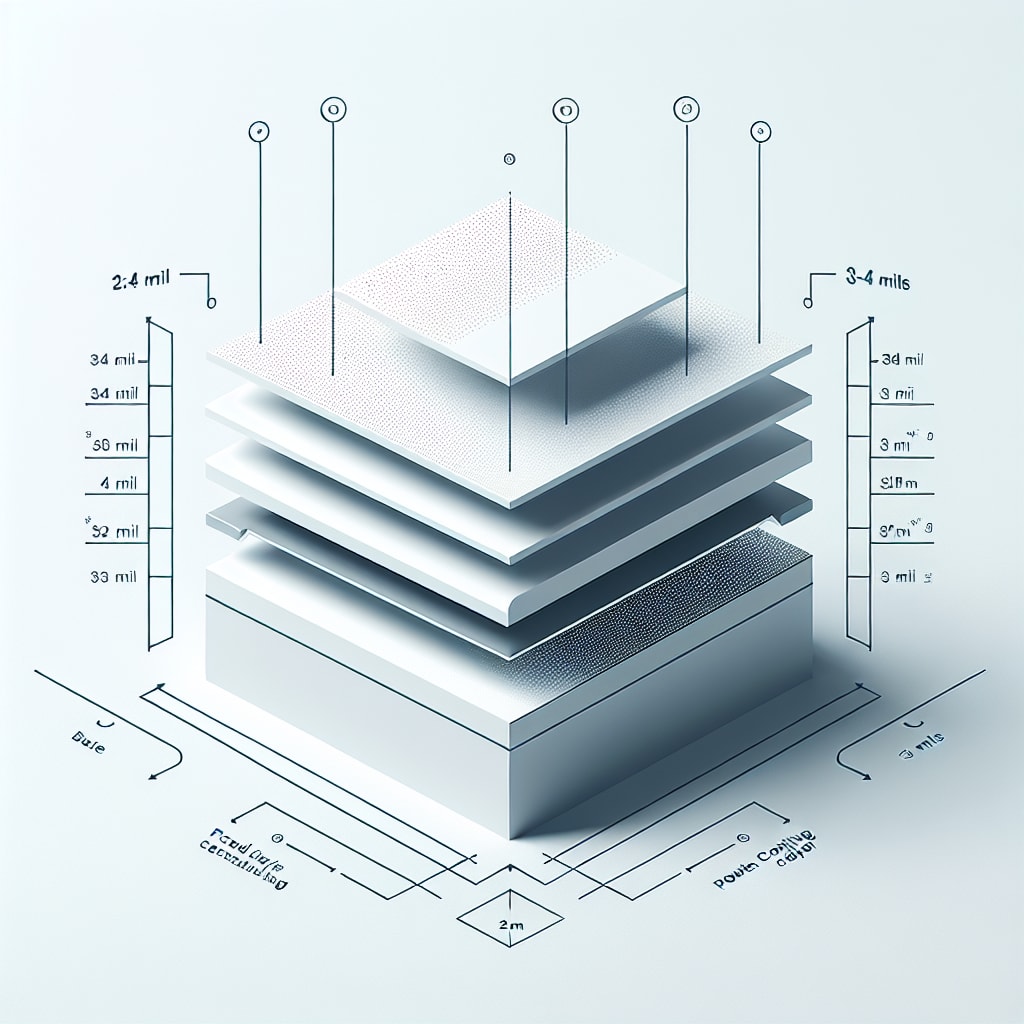
Powder coating is one of the most reliable finishes for metal signage, especially when a sign needs to look clean on day one and still hold up after years outdoors. The finish is not just a color choice. It depends on curing temperature, coating thickness, surface preparation, and the way the sign will be mounted after fabrication.
For San Jose businesses, powder-coated metal signs show up in storefront panels, address signs, office suites, tenant monuments, directional signs, and fabricated letters. Whether the project uses custom aluminum signs or steel components, the finish has to handle South Bay sun, dust, winter rain, irrigation overspray, and daily wear around entries and parking areas.
Why does curing temperature matter for powder-coated metal signs?
Temperature control is the foundation of a dependable powder-coated finish. During curing, the powder melts, flows, crosslinks, and bonds into a protective film. If the metal part never reaches the required temperature, the finish may look acceptable at first but remain soft, weak, or vulnerable to premature damage.
According to DeFelsko Corporation, a manufacturer of coating inspection instruments, most powder coatings cure at temperatures between 350–400°F (177–204°C). The exact cure schedule depends on the powder formulation, part thickness, and oven performance. A thin aluminum face may reach temperature quickly, while a heavier fabricated cabinet or steel bracket can lag behind the oven air temperature.
Critical temperature checkpoints
- Preheat when needed: Thick or porous parts may benefit from preheating to reduce outgassing and improve flow
- Verify cure temperature: 350–400°F is common, but the powder manufacturer's cure schedule should guide the process
- Track part temperature: Cure time usually starts once the metal reaches target temperature, not when the oven turns on
- Control cool-down: A steady cool-down helps avoid handling damage, thermal stress, and finish defects
Uneven oven performance creates visible and hidden problems. Hot spots can over-bake the finish, causing brittleness or color shift. Cold spots can leave the coating under-cured and easier to chip. Professional shops use temperature logs, oven checks, and part-specific cure planning so a batch of sign panels does not vary from one end of the rack to the other.
How thick should powder coating be on metal signs?
Coating thickness affects both protection and appearance. A thin film may leave edges exposed or provide limited corrosion resistance. A film that is too heavy can create texture, soften small details, or chip more easily at corners. The ASTM D7091 standard provides guidance for non-destructive coating thickness measurement on metal substrates.
Many sign applications land in the 1–4 mil (25–100 micron) range, with the target adjusted for location, metal type, finish, and wear exposure:
Recommended thickness by application
- Interior signs: 2–3 mils (50–75 microns) is often enough for lobby signs, suite markers, and wall-mounted panels
- Exterior storefront signs: 3–4 mils (75–100 microns) is a practical target for UV, rain, dust, and regular cleaning
- High-contact or harsher exposure: 4–6 mils (100–150 microns) may be appropriate near parking areas, service doors, sprinklers, or marine-influenced air
The details matter most at edges, bends, returns, welds, and drilled holes. Those are the places where moisture can find its way under a finish. Professional thickness gauges, whether magnetic, eddy current, or ultrasonic, help verify dry film thickness before the sign leaves the coating workflow.
What makes San Jose conditions challenging for sign finishes?
San Jose is not a beachfront environment, but exterior signs still work hard. Storefronts along busy corridors can collect traffic grime and dust. South-facing walls can see long sun exposure. Landscape irrigation can leave mineral deposits around monument signs. Winter storms bring moisture into seams, fastener holes, and lower edges.
Nearby service areas add their own conditions. Palo Alto, Santa Clara, Sunnyvale, Mountain View, Cupertino, Milpitas, and Fremont all have a mix of office campuses, retail centers, industrial parks, restaurants, medical offices, and multi-tenant buildings. A powder-coated sign for a protected lobby wall has different demands than a freestanding directory near a driveway or a storefront panel facing afternoon sun.
Environmental factors to address
- Surface preparation: Cleaning, degreasing, sanding or blasting, and pretreatment remove oils and oxidation that can weaken adhesion.
- Humidity and storage: Parts should stay clean and dry between fabrication, pretreatment, coating, and installation.
- Thickness selection: Exterior South Bay signs often benefit from the upper end of the normal range, while waterfront or bayside jobs may require even more corrosion planning.
- Mounting design: Stand-offs, brackets, countersunk holes, and exposed edges should be planned before coating so the finish is not damaged during installation.
This is where powder coating overlaps with sign design. If the panel will be drilled after coating, or if hardware will rub the finish during installation, the best coating recipe can still fail early. Planning hole locations, hardware clearances, and edge coverage before coating helps the finished sign survive real-world handling.
How do you maintain quality control in powder coating?
Consistent powder-coated signs come from repeatable checks, not guesswork. A shop or coating partner should be able to verify the main steps that affect finish life:
- Temperature monitoring: Use oven profilers, data loggers, or test pieces to confirm actual part temperatures rather than relying only on setpoints.
- Thickness testing: Measure dry film thickness with calibrated gauges at several points, including edges and complex shapes.
- Visual inspection: Check for orange peel, pinholes, light coverage, contamination, gloss variation, and thin spots.
- Adhesion testing: Cross-hatch or pull-off tests can confirm that prep, cure, and film build are working together.
These checks are especially useful for repeat sign programs, tenant panels, and multi-location business signage where one color and finish need to look consistent across several parts. A few minutes of inspection is cheaper than pulling a sign back down after installation.
What equipment produces professional powder coating results?
Professional powder coating requires more than a spray gun and an oven. The equipment has to support stable application, reliable cure, and measurable results:
- Temperature tools: Digital thermometers, oven profilers, and data loggers help confirm cure performance.
- Thickness gauges: Magnetic or eddy current gauges are common for metal substrates.
- Electrostatic spray equipment: Consistent output and grounding help powder wrap edges and cover complicated shapes.
- Controlled curing ovens: Convection or infrared ovens need enough space and airflow for sign panels, returns, brackets, and fabricated parts.
Many sign shops partner with dedicated powder coaters for larger panels, custom colors, or specialty finishes. That can work well as long as the sign shop communicates the substrate, exposure, finish expectations, drilled holes, masked areas, and installation hardware before the part is coated.
What are common powder coating problems and solutions?
Most powder coating failures are easier to prevent than repair. These are the problems worth watching for on metal signs:
- Orange peel texture: Often points to cure issues, heavy film build, poor flow-out, or powder choice. Check oven calibration and thickness.
- Uneven coverage: Common around corners, returns, and recessed areas when grounding or spray technique is inconsistent.
- Poor adhesion: Usually starts with inadequate cleaning, oxidation, contamination, or skipped pretreatment.
- Pinholes and outgassing: More likely on porous metals, cast parts, welds, and parts that were not preheated when needed.
- Chips around hardware: Often caused by drilling after coating, over-tightened fasteners, or missing washers and spacers.
Why choose powder coating for San Jose signage?
Powder coating is a good fit for many commercial signs because it balances appearance, durability, and production efficiency. It is especially useful when the sign needs a clean solid color, a consistent finish across multiple parts, or a tougher surface than standard paint.
- Durable color: Polyester powders can provide strong UV resistance for exterior sign faces and fabricated metal parts.
- Lower-VOC process: Powder coating does not rely on solvent-heavy liquid paint, which supports cleaner finishing practices.
- Reclaimable overspray: Some unused powder can be collected and reused, reducing material waste.
- Efficient finishing: Many applications can be completed with one well-controlled coat.
For businesses in San Jose, Palo Alto, Santa Clara, Sunnyvale, Mountain View, Cupertino, Milpitas, and Fremont, that can mean a sign package that looks polished without being delicate. Retail storefronts, office entrances, property signs, restaurant panels, and directional signs all benefit when the finish is chosen for the actual exposure.
How do you maintain powder-coated signs?
A properly applied powder-coated finish should not need complicated maintenance, but it should not be ignored. Basic cleaning protects the finish from grit, mineral buildup, and pollutants that can dull the surface over time.
- Wash gently: Mild soap, water, and a soft cloth or sponge handle most dust, grime, and sprinkler residue.
- Avoid abrasives: Harsh cleaners and scrubbing pads can scratch the coating and weaken protection.
- Inspect edges: Look at corners, fasteners, lower edges, and mounting points where chips are most likely to start.
- Touch up early: Small chips should be addressed before moisture reaches exposed metal and spreads under the finish.
Cleaning frequency depends on the location. A lobby sign in a San Jose office may need only occasional dusting, while an exterior monument sign near landscaping or a busy roadway may need more regular washing.
Ready to discuss your powder-coated sign project?
San Jo Sign Co works with experienced powder coating partners to produce durable metal signage for San Jose and the surrounding South Bay. Whether you need aluminum signs, steel markers, fabricated metal parts, or a finish plan for a multi-tenant property, we can help match the coating approach to the location, substrate, and installation method.
Start your project or contact us to discuss powder coating options for your next metal sign.