Why Aluminum Signs Hold Up for San Jose Businesses
Aluminum is a strong fit for South Bay signage because it balances durability, clean branding, manageable installation, and low maintenance across storefronts, offices, campuses, and industrial properties.
Key takeaways
- Aluminum forms a self-healing oxide layer that protects against rust and corrosion, which helps signs handle South Bay sun, winter rain, and Bay Area moisture.
- The material works well for storefront signs, wall panels, wayfinding, property markers, and code-compliant-looking business identification without excessive weight.
- Because aluminum is lightweight yet rigid, it can simplify mounting on stucco, concrete, posts, and tenant improvements when compared with heavier materials.
- Powder coating, anodizing, brushed finishes, and printed graphics give San Jose businesses a durable sign face that can still match brand standards.
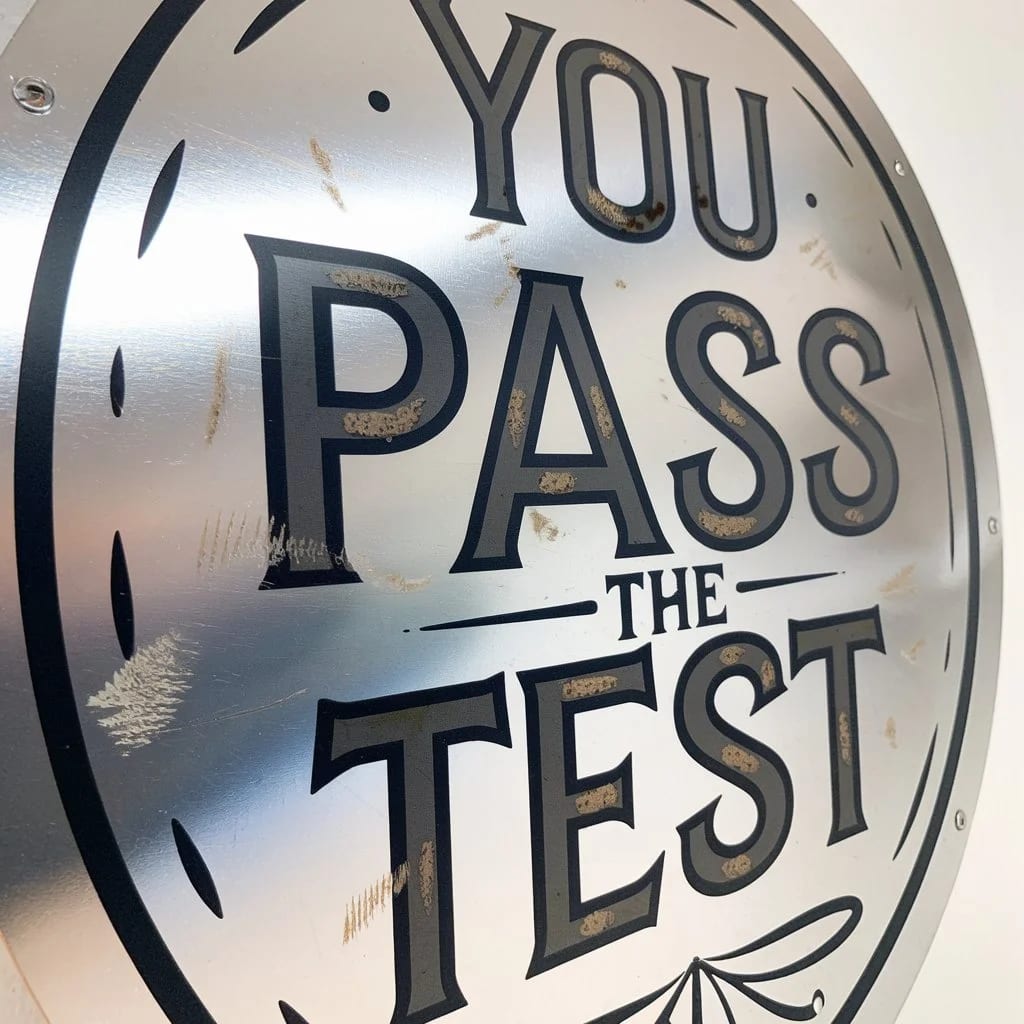
Aluminum is one of the most dependable materials for custom business signs in San Jose and the surrounding South Bay. It is light enough to install cleanly on many storefronts, rigid enough to keep its shape, and durable enough for years of sun, rain, dust, and daily exposure.
That combination matters for real commercial conditions. A sign on a downtown San Jose storefront, a directory panel in a Palo Alto office park, or a building marker near a Santa Clara industrial corridor all need to stay readable without becoming a maintenance project. Aluminum gives businesses a practical way to get a clean, professional sign that can handle those day-to-day demands.
Why does aluminum resist rust and corrosion?
When aluminum contacts air, it forms a thin oxide layer that helps shield the metal from further oxidation. Unlike rust on steel, which flakes and spreads, aluminum's oxide layer is self-healing if scratched, as long as oxygen is present.
This natural protection is useful across the Bay Area. San Jose businesses may not deal with oceanfront exposure every day, but signs still face winter rain, irrigation overspray, dust, road grime, and moisture that moves through the region. A properly finished aluminum sign can keep its structure and appearance with far less rust-prevention work than many metal alternatives.
How does aluminum compare with other sign materials?
Every sign material has a place. The right choice depends on budget, mounting surface, brand style, landlord requirements, and how permanent the sign needs to be. For many outdoor and semi-permanent applications, aluminum offers the most balanced mix:
- Wood can look warm and traditional, but it needs sealing and can warp, split, or rot when exposed to moisture and sun.
- Plastic (PVC, acrylic) can be useful for certain displays, but cheaper plastics may become brittle, bow, or fade under long UV exposure.
- Steel is strong, but it is heavy and needs protective coatings to avoid rust in outdoor conditions.
- Aluminum provides a rigid, weather-resistant sign face without adding the same weight or maintenance burden.
For storefronts in Sunnyvale, wall signs in Mountain View, wayfinding panels in Cupertino, and property signage in Milpitas or Fremont, aluminum is often the material that keeps the project practical from design through installation.
What customization options does aluminum offer?
Aluminum is not limited to a plain metal look. It can be finished in many ways, which makes it useful for both straightforward identification signs and more polished brand environments:
- Anodizing thickens the natural oxide layer and creates a durable surface with a clean architectural appearance.
- Powder coating provides strong color coverage in matte, gloss, satin, metallic, or textured finishes.
- Brushed and polished finishes create a refined metal look for offices, lobbies, clinics, tech spaces, and professional service firms.
- Digital printing allows logos, color fields, photographs, directional graphics, and branded information to be applied directly to the sign face.
Aluminum can also be routed or cut into custom shapes, from simple rectangles and parking signs to logo panels and dimensional lettering. That flexibility is helpful when a tenant improvement package needs to match brand guidelines while still fitting the available wall, fascia, monument, or post location.
Why does aluminum make installation more manageable?
Weight matters when a sign is going onto stucco, concrete, posts, fascia, or an existing tenant space. Aluminum weighs roughly one-third as much as steel, which can make a noticeable difference during professional installation and mounting planning.
- Less strain on walls, brackets, posts, and mounting surfaces
- Easier handling for larger panels and multi-piece sign systems
- More flexibility when working around existing tenant improvements
- Potentially simpler hardware needs than a comparable steel sign
This is especially important in shared retail centers, office parks, and mixed-use properties where the sign has to satisfy the business, the property owner, and the realities of the building surface. Aluminum does not remove the need for proper surveying, mounting, or landlord coordination, but it often gives the project more workable options.
Is aluminum a sustainable choice for signage?
Aluminum is one of the more practical sustainable materials used in signage. According to the Aluminum Association, the metal can be recycled indefinitely without losing quality, and recycling aluminum requires only about 5% of the energy needed to produce new aluminum from ore.
The long service life matters too. A sign that stays in place for many years creates less replacement waste than a cheaper material that needs to be remade, reprinted, and reinstalled more often. When an aluminum sign eventually reaches end-of-life, the material can be recovered and formed into new products without the same quality loss associated with many plastics.
For South Bay businesses that care about durability and waste reduction, aluminum signage can support sustainability goals without asking the sign to do less.
Is aluminum worth the upfront cost?
Aluminum often costs more upfront than basic plastic or wood signs. For a temporary promotion, that may not matter. For a permanent storefront, office, building, or property sign, the longer-term math is different:
- Longevity: A properly finished aluminum sign can last many years outdoors, especially when the thickness, finish, and mounting method are matched to the site.
- Maintenance: Aluminum usually needs only occasional cleaning instead of regular sealing, repainting, or rust treatment.
- Replacement costs: Fewer replacements mean fewer rounds of design, production, permitting or landlord review, and installation.
For many San Jose businesses, the better question is not whether aluminum is the cheapest material on day one. It is whether the sign will still look professional after years of direct sun, seasonal rain, cleaning, and customer traffic. Aluminum is often a strong answer to that question.
Where are aluminum signs commonly used?
Aluminum's combination of durability, appearance, and customization makes it useful across many commercial and property settings:
- Storefront signage: Retail signs, restaurant signs, salon signs, clinic signs, and service business identification
- Property signage: Address numbers, suite markers, tenant panels, parking signs, and directional signs
- Office and campus wayfinding: Building identification, lobby signs, department signs, and exterior directional panels
- Industrial and warehouse facilities: Safety signs, loading area signs, equipment labels, and durable operational signage
It also pairs well with other sign types. A business might use aluminum for the permanent storefront sign, window graphics for promotions, and interior signs for wayfinding. Thinking through those pieces together helps the exterior sign feel intentional instead of isolated.
Planning an aluminum sign in San Jose or nearby?
If you are considering custom aluminum signs for a business, office, property, or facility in San Jose, Palo Alto, Santa Clara, Sunnyvale, Mountain View, Cupertino, Milpitas, or Fremont, the material is worth a close look. It is durable, adaptable, and well suited to Bay Area commercial conditions.
Start your project with San Jo Sign Co to review material options, finishes, viewing distance, mounting conditions, and the role the sign needs to play on your site. The best aluminum sign is not just a durable panel; it is a sign that fits the building, the brand, and the way customers actually find you.