
The Pros and Cons of Using LED Lighting in Signs
What San Jose businesses should know about LED sign lighting, from energy savings and maintenance to brightness, visibility, and retrofit decisions.
Key takeaways
- LED signs can use far less electricity than older fluorescent, halogen, incandescent, or neon-style lighting.
- Commercial-grade LEDs can last 50,000–100,000 hours when the sign is designed with proper drivers, weather protection, and heat management.
- For San Jose storefronts, brightness control matters as much as brightness itself, especially near offices, apartments, and glass-heavy retail corridors.
- The higher upfront cost is often balanced by lower energy use, fewer service calls, and better long-term reliability.
- LEDs work well for channel letters, cabinet signs, backlit acrylic, lobby signs, and retrofits when the existing sign structure is worth keeping.
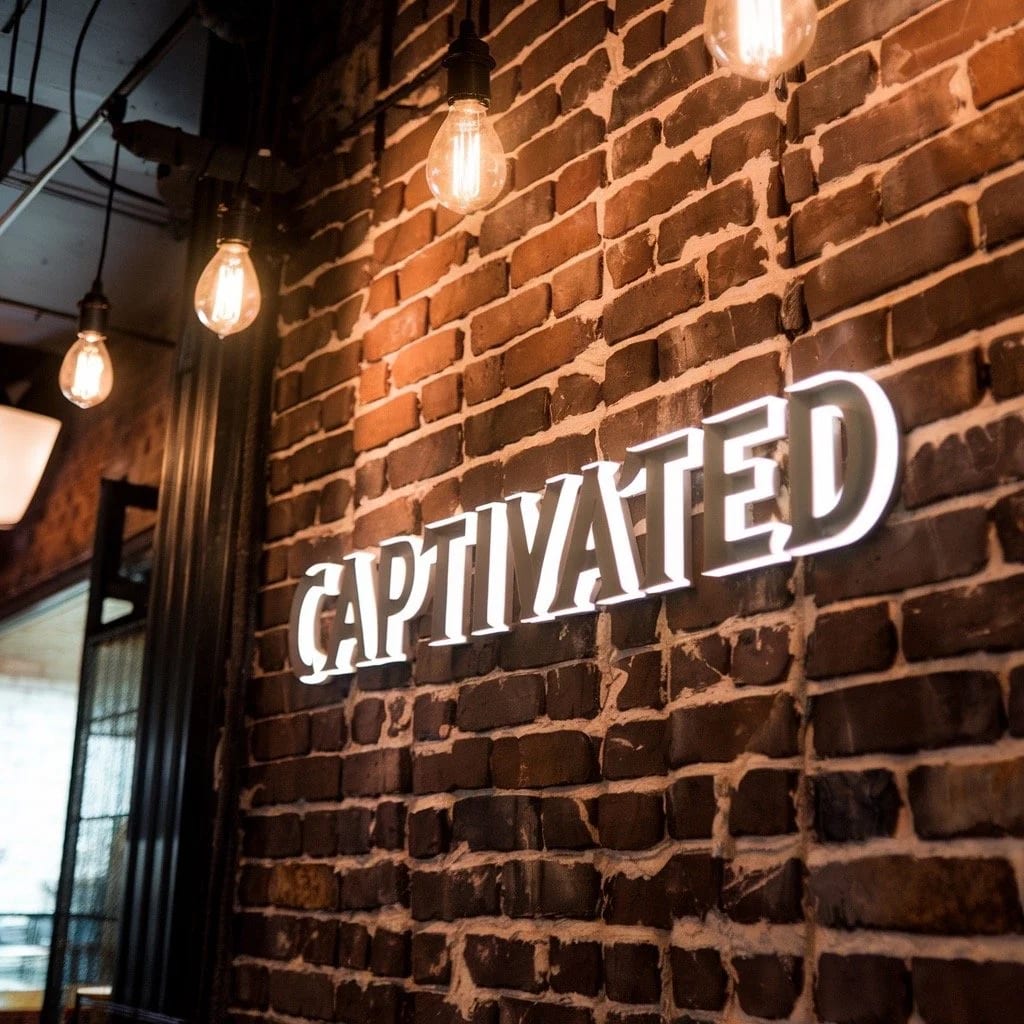
LED lighting has become the default choice for many commercial signs, from storefront channel letters to cabinet signs, lobby displays, and edge-lit acrylic panels. For businesses in San Jose and the surrounding South Bay, it is often the most practical way to get bright, reliable visibility without the maintenance burden of older lighting systems.
That does not mean LED is automatically the right answer for every sign. The best choice depends on viewing distance, brand color, sign size, landlord rules, installation access, and how the sign needs to look after dark. This guide breaks down the advantages and tradeoffs so you can make a better decision for a San Jose storefront, office, restaurant, medical practice, or service business.
What Makes LED Lighting Different from Traditional Sign Illumination?
Light-emitting diodes (LEDs) create light through semiconductor technology. That is different from the heated filaments used in incandescent bulbs and the gas discharge used in neon or fluorescent tubes.
For signage, that difference matters because LEDs:
- Convert more electricity into light instead of waste heat
- Fit into slimmer sign cabinets, letter returns, and acrylic displays
- Can be selected for specific color temperatures and brightness levels
- Turn on instantly without the warm-up period common in older systems
According to Samsung's display technology insights, LED systems can consume 50–70% less electricity than halogen, incandescent, or fluorescent alternatives while still producing strong brightness.
What Are the Main Advantages of LED Signs?
Energy Efficiency That Impacts Your Bottom Line
The energy savings from LED signage are one of the biggest reasons businesses make the switch. A storefront sign that runs from late afternoon through closing time, or stays on overnight for visibility, can add up over the course of a year. LEDs reduce that load compared with many fluorescent, halogen, incandescent, and neon-style systems.
ENERGY STAR's signage certification program confirms that certified LED displays are more efficient than conventional alternatives, and many commercial LED signs perform well beyond the minimum benchmark.
For businesses in San Jose, Palo Alto, Santa Clara, Sunnyvale, Mountain View, Cupertino, Milpitas, and Fremont, energy use is not just a sustainability talking point. It affects operating cost, especially for signs with long nightly runtimes.
Extended Lifespan Reduces Maintenance Costs
LED longevity is one of the strongest arguments for commercial use. Fluorescent tubes and neon systems can perform well, but they usually require more frequent service. Commercial-grade LEDs are commonly rated for 50,000–100,000 hours of operation when the system is designed and installed correctly.
In practical terms, a sign that runs every night may need:
- More frequent tube replacement with fluorescent lighting
- Specialized service when neon components fail
- Fewer lighting-related service calls with a well-built LED system
The labor side matters as much as the component cost. If your sign is above a storefront in Santana Row, along a busy retail corridor, on a second-story facade, or mounted where a lift is needed, every service call takes coordination. Longer-lasting lighting reduces interruptions and helps keep the sign looking consistent.
Safety Benefits from Cool Operation
LEDs produce less heat than incandescent and halogen alternatives. For sign cabinets, interior displays, and acrylic faces, cooler operation can help with:
- Fire safety: Lower heat output inside and around the sign assembly
- Touch safety: Less surface heat for lobby signs, reception signs, and other accessible installations
- Material longevity: Reduced thermal stress on acrylic, trim caps, sign faces, and mounting hardware
- Interior comfort: Less added heat from illuminated signs inside conditioned spaces
Design Flexibility for Creative Signage
LED technology also gives sign designers more options. That flexibility is useful for modern storefronts, tech offices, restaurants, salons, gyms, clinics, and retail spaces where the sign needs to feel intentional instead of bulky.
- Compact form factors: LEDs fit into slim acrylic signs, halo-lit letters, and narrow cabinet spaces
- Color options: White LEDs can be selected warmer or cooler, while RGB systems support controlled color changes when appropriate
- Dimming capability: Brightness can be adjusted for day and night visibility, energy management, or neighborhood sensitivity
- Edge lighting: LEDs can create clean backlit acrylic effects with minimal visible hardware
What Are the Disadvantages of LED Signs?
Higher Initial Investment
LED signage usually costs more upfront than a basic fluorescent setup. The exact difference depends on the sign type, module quality, driver requirements, brightness target, access conditions, and whether the sign is being built new or retrofitted.
That upfront comparison needs context. The long-term value changes when you factor in:
- Lower electricity use over the life of the sign
- Fewer service calls and replacement parts
- Less downtime when the sign is difficult to access
- Better consistency if the sign needs to stay bright every evening
For a temporary sign, the cheapest option may be acceptable. For a permanent storefront sign, building sign, lobby display, or monument sign, LEDs often make more sense once maintenance and operating cost are included.
Color Rendering Limitations
LED color technology has improved dramatically, but it still needs to be specified carefully. Some applications may still favor another approach, or at least require mockups and careful component selection:
- Warm ambiance: Restaurants, bars, and hospitality spaces may want a softer color temperature instead of a crisp cool white
- Brand color accuracy: Some brand colors need testing so the lit sign does not appear too blue, too flat, or too harsh at night
- Vintage aesthetic: True neon has a distinct glow that LED faux-neon can approximate but not perfectly duplicate
High-CRI LED options and better diffusion materials have reduced many of these problems. The important step is not simply choosing "LED," but choosing the right LED temperature, spacing, lensing, and face material for the sign.
Potential for Blue Light Concerns
Early LEDs often looked cold and blue, especially in nighttime environments. That can create problems in places where the sign is close to pedestrians, offices, apartments, or residential streets.
- Glare for close-viewing applications
- Uncomfortable brightness through glass storefronts
- Light spill toward nearby offices, homes, or mixed-use buildings
Modern warm white LEDs, proper diffusers, and dimmable drivers help solve this. In dense San Jose and Silicon Valley commercial areas, a sign that is controlled and evenly lit often performs better than one that is simply as bright as possible.
Quality Variation in the Market
The LED sign market includes high-quality commercial components and budget parts that do not hold up well. Low-quality LEDs may suffer from:
- Color shift over time, especially toward a cooler or uneven appearance
- Premature failure of individual diodes
- Poor weather protection for outdoor signs
- Weak drivers that flicker or fail early
- Poor thermal management that shortens lifespan
This is where fabrication and installation details matter. The LED modules, power supplies, wiring, drainage, mounting, and service access all affect how the sign performs after the first few months.
When Should You Choose LED Signs?
LED lighting makes sense for many commercial signage applications, especially when:
- The sign runs long hours: Evening and overnight use increases the value of energy savings
- Access is difficult: Elevated, wall-mounted, or hard-to-reach signs benefit from longer service intervals
- The storefront has heavy glass: Controlled brightness and even diffusion help the sign read without glare
- Multiple signs are involved: Energy and maintenance savings multiply across locations
- Space is limited: Slim profiles work well for modern facades, office lobbies, and tight retail conditions
For San Jose businesses, LEDs are also useful because storefront conditions vary so much. A downtown retail sign has different lighting needs than a Cupertino office lobby, a Fremont warehouse sign, or a Mountain View restaurant facade. The right LED setup should be matched to the viewing environment, not selected from a generic parts list.
What About LED Retrofits for Existing Signs?
If you already have a sign with fluorescent, incandescent, or older neon-style illumination, an LED retrofit may be more practical than replacing the entire sign. This is common when the cabinet, face, mounting, and overall sign design are still in good condition.
A typical retrofit involves:
- Inspecting the existing sign cabinet, face, wiring path, and mounting condition
- Removing old ballasts, tubes, or failing lighting components
- Installing LED modules or strips with properly matched drivers
- Adjusting module spacing so the face lights evenly without hot spots
- Testing the sign at night or under controlled conditions when brightness and color are easier to judge
A retrofit is not always the best choice. If the cabinet is warped, the sign face is yellowed, the mounting is poor, or the layout no longer fits the business, a new sign may be the better investment. For professional installation, we look at whether the existing structure is worth preserving or whether replacement will produce a cleaner, longer-lasting result.
Local Planning: Brightness, Landlords, and Installation Access
The added wrinkle with LED signs is that they can be very bright. That is helpful for visibility, but it also means the sign should be planned with the property context in mind. In San Jose, Santa Clara, Sunnyvale, and Palo Alto, many businesses operate in shopping centers, mixed-use buildings, office parks, and leased storefronts where the landlord may have sign criteria.
Before choosing an LED sign, it is worth checking:
- Whether the property has rules for sign type, face color, brightness, or illumination method
- Where electrical access is available and whether new wiring coordination is needed
- How the sign will look from the street, sidewalk, parking lot, and nearby windows
- Whether service access is realistic if a driver or module needs replacement later
Local permitting and landlord review can vary by property and city, so it is better to plan around those conversations early instead of treating lighting as a final detail.
Making the Right Choice for Your Business
LED technology has matured enough that it is the default choice for many illuminated signs. The combination of energy efficiency, long service life, cooler operation, and design flexibility usually outweighs the higher upfront cost for signs expected to stay in place for years.
The key is specifying the system around the actual use case. A lobby sign does not need the same LEDs as exterior channel letters. A restaurant sign may need warmer light than a medical office. A Milpitas industrial sign may need different weather and access planning than a downtown San Jose storefront.
Whether you are installing new illuminated aluminum signs, retrofitting an existing cabinet, or planning your first storefront sign, LED is worth considering early in the design process. The right choice should balance visibility, appearance, maintenance, energy use, and the realities of the property where the sign will be installed.