
The Secret Life of Stolen Signs: A San Jose Guide to Sign Theft Prevention
Every sign tells a story. Some stories involve missing hardware before sunrise. Here is how San Jose businesses can make storefront signs harder to steal, easier to maintain, and less tempting to the wrong person.
Key takeaways
- A stolen sign costs more than the replacement panel; it can mean lost visibility, rushed reinstallation, and customer confusion.
- Vintage neon, portable signs, removable panels, and unbranded metal signs are easier targets than modern branded storefront signage.
- Tamper-resistant fasteners, stronger mounts, smart placement, lighting, and camera coverage create the most useful deterrent stack.
- Material and design choices matter: prominent business branding and modern aluminum composite panels are harder to reuse or resell.
- Most sign theft is opportunistic, so a few practical installation decisions can make a San Jose storefront much less appealing.
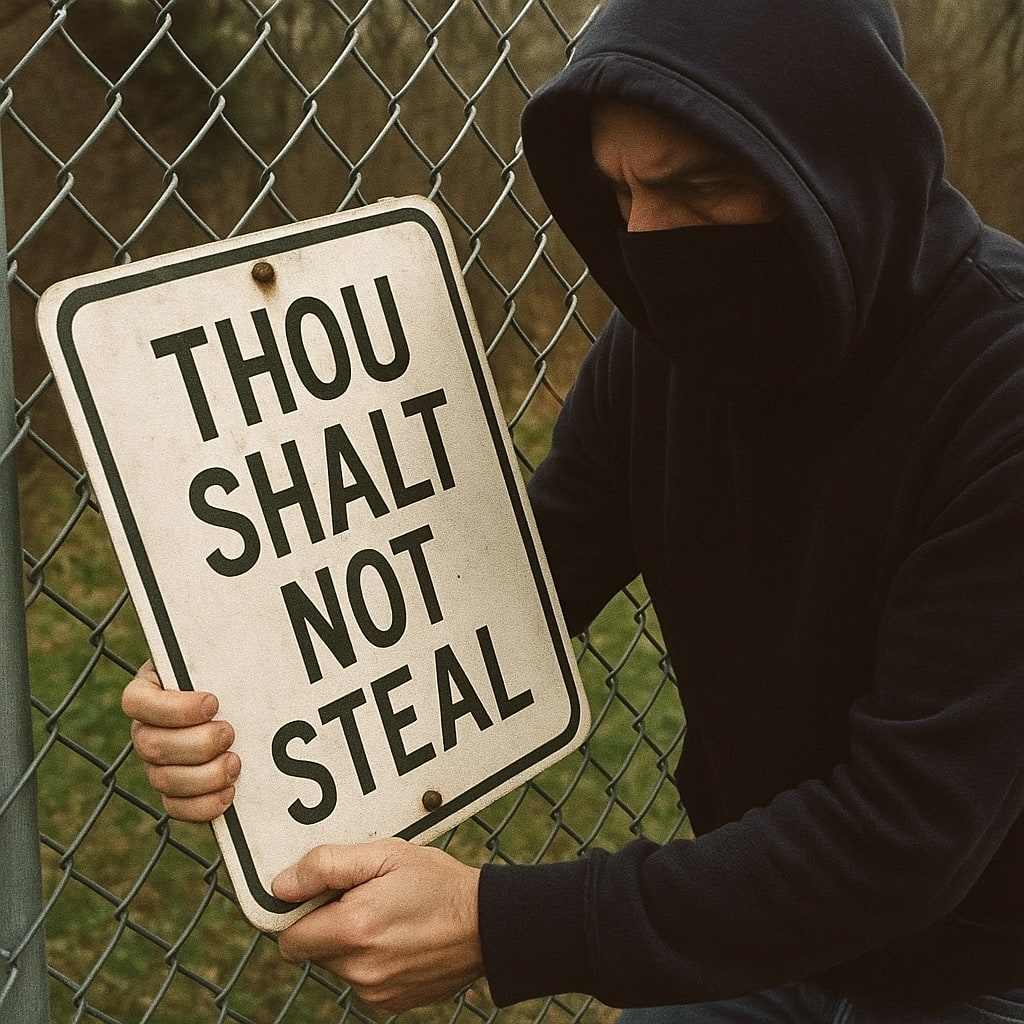
Sign theft is one of those problems most business owners do not plan for until the sign is gone. A storefront on The Alameda, a service office in North San Jose, a cafe near Santa Clara, or a shop in Downtown San Jose can look open and established one day, then look half-abandoned the next because a panel, blade sign, neon piece, or sidewalk sign disappeared overnight.
The useful part of the old "sign thief confession" story is simple: look at your signage the way an opportunistic thief would. What can be reached quickly? What can be removed quietly? What looks collectible, reusable, or easy to sell? Those questions lead to better material choices, better mounting, and fewer surprises after installation.
Why do people steal business signs?
Sign theft is not always about cash. Sometimes it is a prank. Sometimes it is a collectible hunt. Sometimes a small sign is taken because it is portable, funny, vintage, or unbranded enough to hang in a garage. In a few cases, thieves target expensive components or signs that look easy to resell.
For a business, the motive does not matter much. If your custom aluminum composite panel is missing, your storefront loses visibility, customers wonder whether you moved, and your team has to coordinate a replacement while still running the business.
That is especially frustrating in commercial pockets across San Jose, Palo Alto, Santa Clara, Sunnyvale, Mountain View, Cupertino, Milpitas, and Fremont, where storefront identity often depends on one primary exterior sign, window graphics, and a few smaller directional signs. When one piece disappears, the whole frontage can feel unfinished.
What types of signs get stolen most often?
The signs most at risk usually share three traits: they are easy to reach, easy to remove, and interesting outside the business that owns them. Use this list as a practical security checklist:
- Vintage neon signs: Older neon has character, nostalgia, and collector appeal. If it is mounted low or has exposed hardware, it can draw the wrong kind of attention.
- Portable sidewalk signs: A-frames, sandwich boards, and temporary sale signs are easy to move. They need a closing routine, storage plan, or lockable placement when used on busy corridors.
- Small metal signs: Parking signs, directional plaques, restroom signs, and street-style metal pieces can be removed quickly if standard screws are exposed.
- Porcelain-style or retro signs: Anything that looks collectible can become a target, even when it was made recently.
- LED message boards: These are not usually stolen for charm. They are targeted because they look valuable and may contain reusable components.
The pattern is clear. Signs with character, portability, exposed hardware, or resale value need more planning. Modern printed vinyl on aluminum composite is less appealing to collectors, but it still needs a sensible mount if it sits at street level or near an alley, parking lot, or loading area.
How do you protect signs from theft?
The goal is not to make theft impossible. The goal is to make removal slow, visible, noisy, and not worth the effort. For most San Jose storefronts, that means pairing the right sign material with hardware and placement decisions made before installation day.
These measures are the ones worth discussing early with your sign shop, installer, landlord, or property manager:
- Security screws with unique heads: Torx, pin-in-hex, one-way, and other specialty fasteners require specific tools. Tamper-resistant fasteners are widely available and add useful friction for small panels and plaques.
- Welded or concealed mounting brackets: Exposed brackets invite tampering. Concealed fasteners, welded frames, and covered attachment points make removal slower and more obvious.
- Height and accessibility: A sign that requires a ladder is less attractive to a casual thief. Our professional installation team can help evaluate sightlines, wall conditions, and practical placement.
- Cameras and lighting: Lighting helps customers find you and helps cameras capture usable footage. According to Vector Security research, signage alone is not always enough to deter theft, but visible surveillance can change the calculation.
- Inventory records and tracking: For high-value signs, keep photos, dimensions, invoices, and installation details. Some businesses also use asset tags or tracking devices for expensive removable components.
Most theft is opportunistic. A thief looking for a quick win is more likely to skip the sign that requires specialty tools, a ladder, and several minutes under a camera.
Which sign materials deter theft?
Material choice changes both the look of the sign and how tempting it is to steal. It also affects maintenance in the South Bay, where exterior signs see sun, rain, dust, parking-lot grime, and occasional impact from carts, doors, or deliveries.
Aluminum composite panels (Dibond): These are practical for many storefronts because they are rigid, professional-looking, and not especially collectible. A branded aluminum composite sign is useful to your business and awkward for someone else to reuse.
PVC, acrylic, and foam board: These materials can work well for interior signs, temporary displays, office suites, and controlled environments. They are not major collector targets, but exterior use still needs the right thickness, finish, and mounting plan.
Metal and neon: These can be beautiful, but they deserve more security planning. If the design leans vintage, retro, or decorative, think about concealed hardware, higher placement, and whether the sign can be serviced without making it easy to remove.
If theft resistance is a priority, go modern where it makes sense. Printed graphics, dimensional branding, LED lighting, and contemporary materials can still feel custom without creating a sign that looks like a collectible trophy.
What does sign theft actually cost a business?
Sign theft is more than a missing panel. It can interrupt your storefront presence, create a rushed replacement project, and make a business look closed or temporary at the exact moment customers are trying to find it.
The real cost often includes:
- Lost visibility: Your main identifier may be gone while the replacement is designed, approved, produced, and installed.
- Customer confusion: New customers may drive past, assume you moved, or have trouble finding the entrance.
- Administrative time: Staff may need to handle police documentation, insurance calls, landlord coordination, and vendor scheduling.
- Temporary signage: Banners, window graphics, or temporary panels may be needed while the permanent sign is replaced.
A stolen sign can also expose weak planning. If the original sign used standard screws, had no backup artwork file, and was installed without clear photos or measurements, the replacement will take longer. Good records make recovery and reordering easier.
Insurance sometimes covers exterior signs, but coverage depends on the policy and deductible. Keep sign invoices, artwork proofs, installed photos, and measurements in one place so you are not reconstructing everything from memory after a theft.
How can sign design deter theft?
The balance is not complicated: your sign should be memorable to customers, not attractive as a standalone object. A strong brand system can do both.
Make it distinctive but not collectible: Custom typography, color, and layout are valuable. A generic retro sign that could belong anywhere is easier to repurpose than a sign tied clearly to your business.
Integrate your branding deeply: Signs with prominent business names, logos, suite numbers, service descriptions, or local contact details are less useful to thieves. A generic "OPEN" sign can work anywhere; a branded storefront sign cannot.
Use modular planning carefully: Modular panels can make maintenance easier, but each removable piece needs secure hardware. If a sign system includes replaceable tenant panels, directories, or wayfinding plaques, plan the fasteners intentionally.
Ready to design theft-resistant signage for your business? Start your project with our team.
Why installation planning matters as much as design
A beautiful sign can still be vulnerable if installation is treated as an afterthought. In leased spaces around San Jose, Mountain View, Sunnyvale, and Fremont, exterior walls, sign bands, awnings, and shared facades often come with practical limits. That does not mean you cannot secure the sign; it means the security plan should be part of the survey.
Before production, confirm where the sign can be mounted, what substrate it is attaching to, whether the landlord or property manager has preferences, and whether lighting or camera coverage already exists. These conversations are not just administrative. They affect bracket design, fastener selection, service access, and replacement planning.
For restaurants, salons, clinics, retail shops, offices, and trade businesses, the best sign is not only attractive from the street. It is also maintainable, visible after dark, and difficult to remove without being noticed.
What every business owner should know about sign security
If you strip the sign thief story down to its useful lessons, you get a straightforward checklist for protecting business signage:
- Portable, vintage, low-mounted, and unbranded signs are easier targets
- Modern branded materials are generally less collectible and harder to reuse
- Tamper-resistant fasteners and concealed mounting details are worth considering early
- Height, lighting, and camera visibility matter as much as the sign face itself
- Temporary signs need a storage or locking routine at closing time
- Landlord coordination can affect what security hardware is practical
- Photos, invoices, measurements, and artwork files make replacement faster
- Most sign theft is opportunistic, so basic friction can be surprisingly effective
Sign theft is not the first thing most owners think about when planning a new storefront, but it belongs in the conversation. Understanding how a sign could be removed helps you make smarter decisions about material, placement, installation, lighting, and documentation before the sign is on the wall.