
CNC Machining for Custom Signs in San Jose
Computer-controlled cutting helps turn sign designs into accurate, durable pieces for storefronts, offices, campuses, and multi-location brands across San Jose and nearby cities.
Key takeaways
- CNC machining uses computer-controlled tools to cut, carve, drill, and engrave sign materials with repeatable accuracy
- Common sign substrates include acrylic, aluminum, HDU, PVC foam board, ACM panels, wood, and other composites
- CNC fabrication is useful for dimensional letters, routed storefront signs, engraved plaques, backlit faces, and layered logo walls
- Digital CAD/CAM files help keep signs consistent across San Jose, Palo Alto, Santa Clara, Sunnyvale, Mountain View, Cupertino, Milpitas, and Fremont locations
- Finish choices such as paint, powder coating, edge polishing, and protective clear coats affect outdoor durability and installation quality
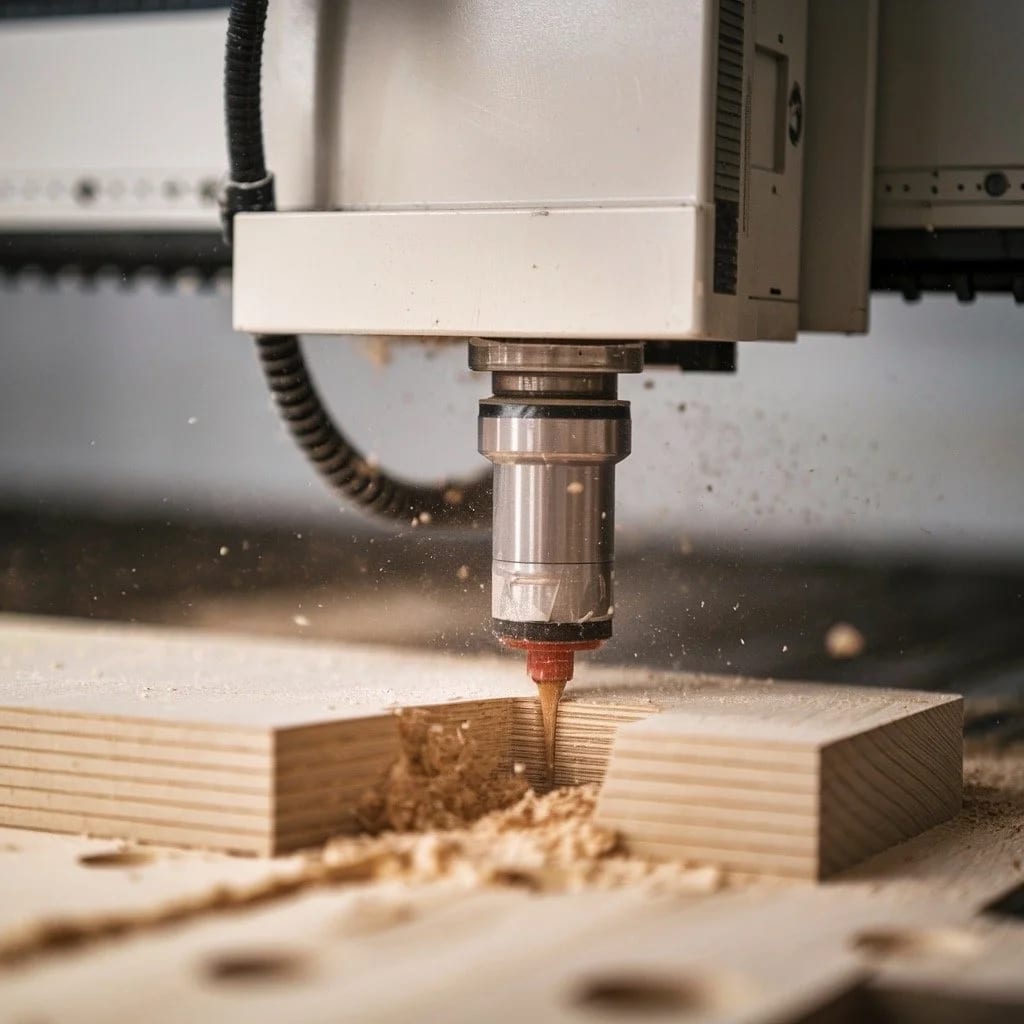
When a San Jose business needs a sign that looks sharp up close and holds up outside, the fabrication method matters as much as the design. CNC (Computer Numerical Control) machining gives sign shops a precise way to turn flat sheets, blocks, and panels into dimensional letters, routed logos, engraved details, and layered assemblies that match the approved artwork.
For businesses across San Jose, Santa Clara, Sunnyvale, Palo Alto, Mountain View, Cupertino, Milpitas, and Fremont, CNC fabrication is especially useful when a sign needs to fit a real storefront condition: a narrow fascia, a landlord-approved sign band, a lobby wall with tight clearances, or a multi-location brand package that needs to stay consistent. From custom acrylic signs to routed exterior panels, understanding the process helps you choose materials, finishes, and installation details with fewer surprises.
What Is CNC Machining and Why Does It Matter for Signs?
CNC machining is an automated fabrication process where software controls machine tools such as routers, mills, drills, and engraving heads. Instead of cutting each part by hand, the machine follows a digital file. That makes it possible to produce one clean logo panel, a full set of dimensional letters, or a repeat sign package with the same geometry each time.
The process begins with CAD (Computer-Aided Design) software, where the sign layout is built as precise vector artwork with dimensions, material thicknesses, cut depths, and mounting points. That file is converted into machine-readable tool paths with CAM (Computer-Aided Manufacturing) software. According to industry standards, modern CNC routers can reach positioning accuracy of ±0.003mm, which is why they are well suited for tight lettering, clean curves, repeated shapes, and multi-layer assemblies.
For sign makers, this precision translates to:
- Clean edges on dimensional letters and logo pieces
- Controlled routing depths for carved and engraved details
- Accurate mounting holes that help the installer align the sign on site
- Repeatable parts for offices, retail stores, campuses, and franchise-style rollouts
Which Materials Work Best for CNC-Machined Signage?
CNC machines can handle many materials used in commercial signage, but the best substrate depends on location, exposure, finish, weight, mounting surface, and whether the sign needs lighting. These are some of the materials most often considered for professional sign projects in the South Bay:
Wood and High-Density Urethane (HDU)
Traditional carved signs often use cedar, redwood, or HDU foam. CNC routing keeps the carved depths consistent across the whole design, which matters on storefront signs where shadows and paint lines make small imperfections visible. HDU, often called sign foam, machines cleanly, accepts paint well, and resists moisture, making it a strong option when a business wants the character of carved wood with less movement and maintenance.
Acrylic and Plastics
Acrylic (polymethyl methacrylate or PMMA) offers strong optical clarity and durability for modern signs. CNC machines can cut acrylic letters, engrave panels, and shape inserts for illuminated displays. Clear, frosted, colored, and painted acrylic options are common for custom acrylic signs, lobby logos, reception signs, donor walls, and retail displays.
Aluminum and Metals
For exterior durability and a clean commercial finish, custom aluminum signs are a dependable choice. CNC machines can cut detailed shapes, drill mounting patterns, engrave text, and create decorative details in aluminum, brass, and stainless steel. Powder coating or painted finishes add color and weather resistance for storefronts, office parks, parking areas, and monument sign faces.
Composite Materials
Aluminum composite panels (ACM or Dibond) and PVC foam board provide a useful mix of strength, light weight, and clean machinability. They can be CNC-cut to shape, drilled for hardware, and finished with paint, vinyl graphics, or direct print. That makes them practical for building directories, temporary construction signs, trade show displays, menu boards, and storefront panels where weight and budget both matter.
What Types of Signs Benefit Most from CNC Fabrication?
Dimensional Lettering and Logos
Three-dimensional letters and logos add shadow, depth, and a more finished presence than flat graphics. CNC-cut dimensional elements can be fabricated from acrylic, aluminum, HDU, or PVC, then painted, powder-coated, polished, or layered over a backer panel. They work well for San Jose office lobbies, retail storefronts, restaurants, fitness studios, medical offices, and building identification.
Routed and Carved Signs
Classic routed signs, where the design is carved into wood, HDU, or another solid substrate, benefit from CNC depth control. The machine keeps borders, lettering, and background fields consistent across the panel. That matters for boutiques, cafes, community spaces, and professional offices that want a handcrafted look without uneven letterforms or wandering carve lines.
Engraved Signs and Plaques
For nameplates, awards, donor plaques, suite signs, and directional markers, CNC engraving provides crisp detail and repeatable layouts. It can handle small text, borders, logo marks, and patterned fills with a level of consistency that is difficult to maintain by hand, especially when a property needs multiple matching signs.
Backlit and LED-Integrated Signage
Illuminated signs depend on clean cutouts, controlled spacing, and well-planned light paths. CNC machining can create the apertures, faces, backs, and internal clearances needed for LED modules, light boxes, push-through acrylic, and halo-lit components. This is especially helpful on busy corridors where a sign needs to read clearly after dark without looking rough in daylight.
ADA-Compliant Wayfinding Signs
Wayfinding and accessibility signs often require tactile features, consistent placement, and durable materials. CNC equipment can produce raised elements, engraved panels, and repeatable room identification signs from approved artwork. A qualified sign partner can also help coordinate the design intent with code review, landlord standards, and the realities of the building where the signs will be installed.
How Does the CNC Sign-Making Process Work?
Design and Engineering
Every CNC sign project starts with digital design. Sign professionals turn logos, type, dimensions, and site measurements into production-ready vector artwork. This stage is where material thickness, clearances, cut depths, mounting points, and finish requirements are resolved so the sign can be fabricated and installed cleanly.
Material Selection and Preparation
Material choice should match the use case. A lobby sign in Mountain View may prioritize edge quality and brand color accuracy, while an exterior panel in Fremont or Milpitas may need stronger weather resistance and secure mounting. Once selected, substrates are cut to rough size and secured to the machine bed with vacuum hold-down, clamps, or adhesives.
Machining Operations
CNC machines perform multiple operations depending on the design:
- Profile cutting — cutting letters, logos, and panels from flat stock
- Pocket routing — removing material to create recessed fields or inlays
- V-carving — creating beveled details, decorative cuts, and carved lettering
- Engraving — producing fine surface text, borders, and details
- Drilling — creating accurate holes for studs, spacers, standoffs, and other mounting hardware
Finishing and Assembly
Freshly machined parts usually need finishing before they are ready for a customer-facing space. Depending on the material, that may mean sanding, edge polishing, priming, painting, powder coating, applying vinyl, or adding protective clear coats. For multi-piece signs, assembly may include spacers, studs, backer panels, LEDs, templates, and a final inspection before delivery or installation.
What Are the Advantages Over Traditional Methods?
Precision and Consistency
CNC machines are built for consistency. For a business with locations in San Jose, Santa Clara, Sunnyvale, and Palo Alto, the same approved production file can guide each set of letters or panels. That helps maintain brand standards and makes future replacements easier when a tenant moves, a panel is damaged, or a new office opens.
Design Flexibility
Detailed logo shapes, nested lettering, bevels, layered backers, and tight cutouts are much easier to produce with CNC equipment than with manual cutting alone. More advanced machines can also support sculptural details, compound curves, and relief work when the design calls for something beyond a flat panel.
Production Speed
Once a file is programmed and tested, CNC equipment can produce parts efficiently and repeatedly. That helps when a project has many letters, repeated tenant panels, directional signs, or a deadline tied to a lease opening, remodel, office move, or retail launch.
Cost Efficiency for Custom Work
CNC does not make every sign inexpensive, but it can make detailed custom work more practical. Optimized cutting layouts reduce waste, digital files reduce rework, and repeatable production lowers the labor burden on projects with many similar components. The result is often a cleaner path from approved design to finished sign.
Local Factors to Plan for in San Jose and the South Bay
A CNC-cut sign still has to work on a real building. In San Jose and nearby cities, that can mean coordinating with a property manager, matching an existing sign program, checking wall conditions, planning safe access, and choosing finishes that can handle sun exposure, rain, dust, and daily temperature changes. The fabrication file should account for those conditions before the first sheet goes on the CNC bed.
For storefronts along commercial corridors, readability from the street may drive letter height, contrast, and lighting decisions. For offices and campuses in Palo Alto, Mountain View, or Cupertino, brand consistency and interior finish quality may matter more than long-distance visibility. For industrial, medical, and service businesses in Milpitas, Fremont, or Santa Clara, durability, wayfinding clarity, and straightforward maintenance may be the priority.
Choosing the Right Fabrication Partner
Not all sign shops have equal CNC capabilities. When evaluating fabricators for your project, consider:
- Equipment capacity — machine bed size limits maximum sign dimensions
- Material expertise — the right substrate depends on exposure, mounting, finish, and budget
- Design services — production art should be optimized for CNC fabrication, not just screen viewing
- Finishing capabilities — paint, powder coating, polishing, vinyl, and assembly affect the final result
- Installation services — proper professional installation helps the sign sit level, secure, and serviceable
South Bay businesses benefit from working with a local sign team that understands Bay Area conditions, local commercial properties, and the practical details that affect installation. That includes how a sign will mount to stucco, concrete, glass, metal panels, interior drywall, or existing sign cabinets, plus how the finish will age once it is exposed to sun and weather.
Ready to Explore CNC-Fabricated Signage?
CNC machining has expanded what is possible in custom signage while making the production process more controlled. From dimensional letters and routed storefront signs to acrylic lobby displays and durable aluminum panels, computer-guided fabrication helps bring a design into the physical world with cleaner edges, better repeatability, and more predictable installation.
Whether you are opening a retail space in San Jose, updating an office in Sunnyvale, planning a lobby sign in Palo Alto, or refreshing exterior signage in Santa Clara, understanding CNC fabrication helps you ask better questions and make better material choices.
Start your custom sign project with San Jo Sign Co Our team combines CNC fabrication, material planning, and Bay Area installation experience to help businesses create signs that look clean, fit the site, and hold up in daily use.